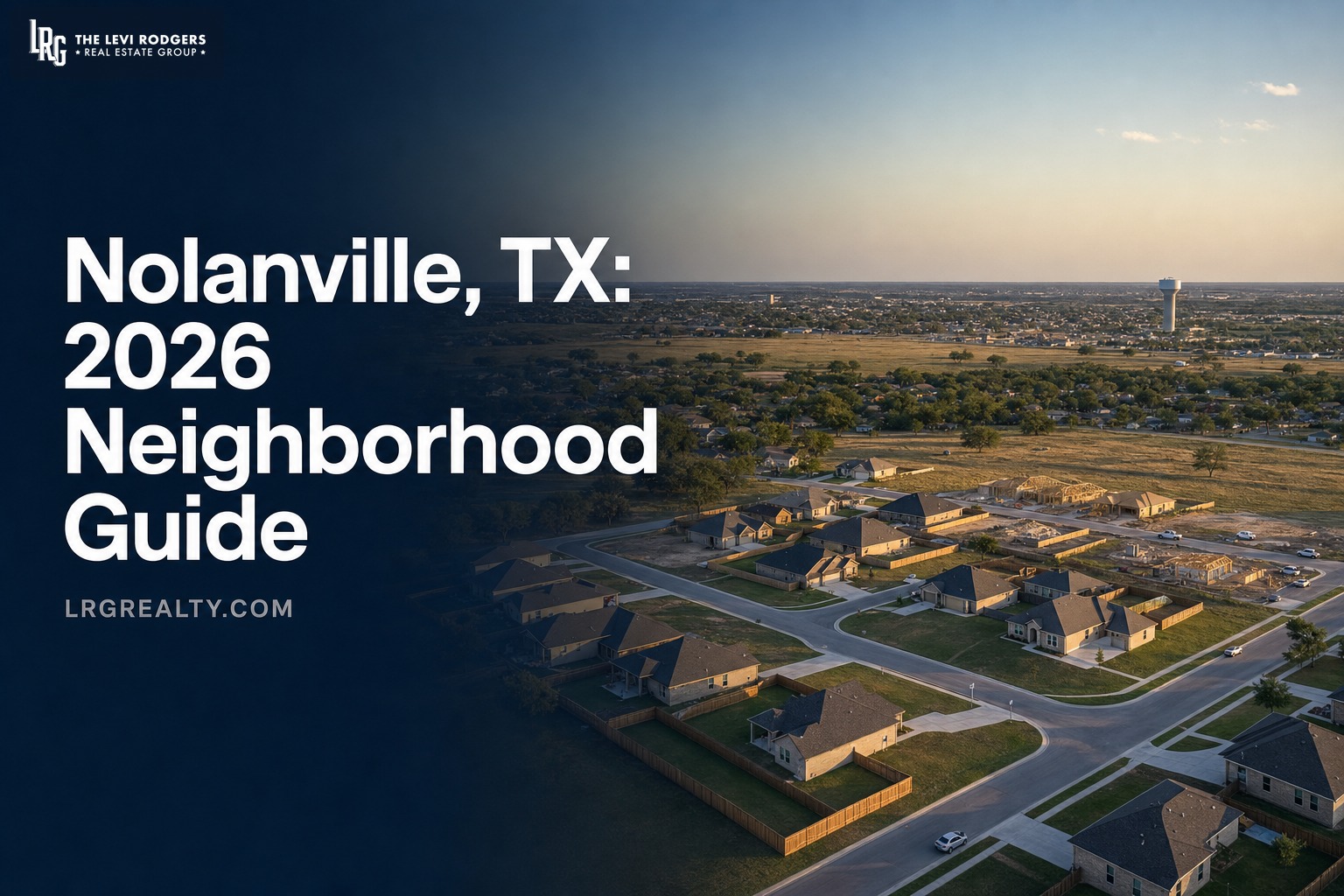
Living in Alamo Ranch, San Antonio: Pros, Cons

Living in Alamo Ranch, San Antonio: Pros, Cons

Alamo Ranch is the largest and fastest-growing master-planned community in San Antonio, and for most buyers it delivers exactly what it promises: newer homes, strong Northside ISD schools, deep retail, and a large Military community near JBSA-Lackland. But the "Alamo Ranch Crawl"—the traffic congestion on Loop 1604, Culebra Road, and Alamo Ranch Parkway during peak hours—is a real daily factor that every buyer should test before committing. The right answer depends on whether the convenience of a self-contained suburban hub outweighs the congestion you will sit in to leave it.

Next Step:

Jump to sections Jump to FAQs
Quick answers Fast clarity before you scroll.

The Pros

  • Strong Military and Veteran community with high VA loan activity, supportive neighborhood culture, and strong resale demand from incoming PCS families.
  • Modern amenities including the Alamo Ranch Marketplace with Target, H-E-B, dining, Santikos Casa Blanca entertainment, and nearby Westover Hills Baptist Hospital.
  • Highly rated Northside ISD schools throughout the community, with on-site elementary and middle campuses and a strong high school feeder pattern.
  • Wide range of housing from starter homes to gated luxury sections like The Hills and the 55+ Hill Country Retreat, with newer construction and modern energy efficiencies.

The Cons

  • The traffic is the number-one complaint. Loop 1604, Culebra Road, and Alamo Ranch Parkway get heavily congested during rush hour, and a 20-minute drive to Lackland can stretch to 45 minutes after an accident or rain.
  • Ongoing construction noise from new home building, road widening projects, and commercial development is part of life in a community that is still actively expanding.
  • Property taxes and MUD fees can be higher than older San Antonio neighborhoods, though 100% disabled Veterans may qualify for a full property tax exemption.
  • Strict HOA rules in most sections can limit parking, exterior modifications, and landscaping choices more than buyers expect.

The 2026 Market Reality

  • Median list prices have softened to around $345K as of early 2026, down from higher 2024 levels, which gives buyers more negotiating room than in previous years.
  • Homes are sitting about 78–87 days on market, which means well-prepared buyers can take their time and compare sections without the intense pressure of 2021–2022.
  • A $94 million Alamo Ranch Parkway widening project has been approved to expand the road from four to eight lanes, but construction is not expected to start until mid-2027.

The Verdict

  • Alamo Ranch is the best fit if you want a "city within a city" where you rarely need to leave a five-mile radius for errands, schools, dining, or entertainment.
  • It is less ideal if you have a low tolerance for gridlock, if you need a fast commute outside the community during peak hours, or if you dislike HOA-managed environments.
  • The right move is to drive the route at your actual commute time, compare sections and builders carefully, and decide whether the lifestyle convenience genuinely outweighs the traffic friction.

Top questions people ask first

Is Alamo Ranch a good place to live in 2026?
For most families, yes. Alamo Ranch combines newer homes, strong Northside ISD schools, deep retail, and a large Military community in one master-planned footprint. The main tradeoff is traffic congestion on Loop 1604 and Alamo Ranch Parkway during peak hours. If you can absorb the commute or structure your life to minimize it, Alamo Ranch delivers a very strong daily-life package.
How bad is the traffic in Alamo Ranch?
Traffic on Loop 1604, Culebra Road, and Alamo Ranch Parkway is the number-one issue residents raise. A 20-minute off-peak drive to Lackland or central San Antonio can stretch to 40–45 minutes during rush hour, heavy rain, or after an accident. A $94 million parkway widening project has been approved but construction is not expected to begin until mid-2027.
What are home prices like in Alamo Ranch right now?
As of early 2026, median list prices in Alamo Ranch are near $345K, which represents a meaningful correction from higher 2024 levels. Homes range from around $250K for older or smaller resale properties to $500K or more in gated luxury sections like The Preserve and The Hills. The market is currently balanced to slightly buyer-favorable, with homes sitting roughly 78–87 days on market.

Jump to the decision sections

Use these links to move fast. This guide is built to help you weigh the real pros and cons honestly so you know whether Alamo Ranch fits your household before you tour.

What Alamo Ranch actually is: a self-contained suburban hub on San Antonio's far west side

Alamo Ranch is not just a neighborhood. It is a massive master-planned community covering more than 3,000 acres on San Antonio's far northwest side, developed by Galo Properties starting in 2006. The community includes multiple subdivisions built by more than 20 different builders, an active-adult 55+ enclave called Hill Country Retreat, gated luxury sections, and a deep commercial base anchored by the Alamo Ranch Marketplace. Homes.com's neighborhood profile notes that a new $2.1 million commercial development called Alamo Commons is expected to open by September 2026, adding even more shops and restaurants. The community is served by Northside ISD and sits along Loop 1604 and Highway 151, roughly 15–20 minutes from JBSA-Lackland during off-peak hours.

The reason Alamo Ranch works for so many families is that it is designed to minimize the need to leave. Schools, shopping, dining, entertainment, medical facilities, and parks are all either inside the community or immediately adjacent. Military Town Advisor reviews consistently highlight the convenience, the family-friendly atmosphere, and the strong Military presence. For households that want suburban self-sufficiency, Alamo Ranch is one of the most complete options in San Antonio. The challenge comes when you need to leave—which is where the traffic conversation starts.

The pros: why Alamo Ranch keeps drawing buyers despite the traffic reputation

The strengths of Alamo Ranch are real and they compound over time. The community's Military-heavy population creates a neighborhood culture that understands PCS cycles, mid-year school enrollments, and VA loan transactions better than most civilian-dominated subdivisions. The retail and dining base is deep enough that many families go days or weeks without needing to drive outside the community. The school pattern through Northside ISD is strong, with on-site campuses and a reliable feeder structure. And the housing variety—from entry-level starter homes to gated estates—means buyers can often find the right home inside the same community rather than comparing across multiple distant neighborhoods.

  • Military and Veteran community strength: Alamo Ranch has one of the highest concentrations of Military families near JBSA-Lackland, which creates a built-in support network and drives consistent resale demand from incoming PCS buyers. LRG Realty, a Veteran-owned brokerage, works with Alamo Ranch Military families regularly and understands the VA loan and PCS timeline dynamics that shape buying and selling here.
  • Modern amenities and retail depth: The Alamo Ranch Marketplace includes Target, H-E-B, Lowe's, JCPenney, In-N-Out Burger, Chick-fil-A, Santikos Casa Blanca movie theater and bowling alley, and a growing roster of restaurants and services. Westover Hills Baptist Hospital is roughly five miles away.
  • Northside ISD schools: Most Alamo Ranch families are served by Bennie Cole Elementary, Dolph Briscoe Middle School, and William Howard Taft High School, which offers a magnet program. NISD is the largest district in the San Antonio area and has significant experience with Military-connected students.
  • Housing variety and value: From homes in the $250K–$300K range to gated luxury properties above $500K, Alamo Ranch offers a wider internal range than most San Antonio master-planned communities. Newer construction means modern energy efficiencies, open floor plans, and generally lower early-year maintenance.
  • Outdoor recreation access: Government Canyon State Natural Area is a short drive from the community and offers hiking, biking, and wildlife viewing. Community amenities include pools, playgrounds, walking trails, and sports facilities. SeaWorld San Antonio is roughly five miles away.

The cons: what Alamo Ranch buyers should honestly weigh before committing

The downsides of Alamo Ranch are not deal-breakers for every buyer, but they are persistent enough that ignoring them usually leads to frustration. The traffic is the most discussed issue, but it is not the only one. Construction activity, property tax loads, and HOA restrictions are all part of the ownership reality in a community that is still actively growing. Buyers who do best here usually accept these tradeoffs deliberately rather than discovering them after move-in.

  • The "Alamo Ranch Crawl" is real: Loop 1604, Culebra Road, and Alamo Ranch Parkway all experience significant congestion during rush hour. A 20-minute drive to Lackland can double after an accident, heavy rain, or during training-cycle mornings. This is the number-one complaint from residents and the single most important factor to test before buying.
  • Construction noise and disruption: Alamo Ranch is still expanding, with new home construction, road widening projects, and commercial development ongoing. San Antonio Report covered the approved $94 million Alamo Ranch Parkway widening that will eventually expand the road from four to eight lanes, but construction is not expected to start until mid-2027. In the meantime, buyers should expect noise, detours, and dust as part of the daily environment.
  • Higher property taxes and MUD fees: Like most newer Texas developments, Alamo Ranch carries property tax rates and Municipal Utility District fees that can be higher than older, more established San Antonio neighborhoods. However, 100% disabled Veterans may qualify for a full property tax exemption under Texas law, which can significantly change the math. Use the Monthly Payment Stack Checklist to model the full cost before you commit.
  • Strict HOA rules: Most Alamo Ranch sections have active Homeowners Associations that regulate parking, exterior paint colors, landscaping, boat or RV storage, and other modifications. Buyers who want flexibility in how they use their property should review the specific section's CC&Rs before signing.
  • Lot sizes can feel smaller: Compared to Helotes or older San Antonio neighborhoods, Alamo Ranch lots tend to be more compact. Buyers who want more land, bigger setbacks, or a less structured feel may find the master-planned lot pattern too tight for their preference.

The traffic reality: what the "Alamo Ranch Crawl" actually looks like and what is coming

Traffic is important enough to deserve its own section because it is the single factor that most often changes a buyer's mind about Alamo Ranch after the first month. Loop 1604 is a major transportation corridor that encircles San Antonio and connects to I-10 and US-90. The problem is that Alamo Ranch sits on the far west side of the loop, where road capacity has not kept pace with residential and commercial growth. During peak hours, the stretch of 1604 near Culebra Road and Highway 151 backs up significantly, and Alamo Ranch Parkway itself becomes a bottleneck at the Westwood Loop intersection.

The good news is that infrastructure investment is coming. The Alamo Regional Mobility Authority approved a $94 million project to widen Alamo Ranch Parkway from four to eight lanes and add overpasses at three intersections. The project is expected to reduce travel times significantly once complete, but construction is currently in preliminary design and engineering with a start date projected for mid-2027. Until then, the congestion is part of the deal. Buyers should test their specific commute route during actual peak hours, including mornings between 0630 and 0800 and evenings between 1630 and 1830, before making a final decision.

  • Test the Lackland route at real hours: The drive from Alamo Ranch to Lackland's main gate on Military Drive is roughly 18–25 minutes off-peak but can stretch to 40–45 minutes during heavy traffic or weather events.
  • Know your alternate routes: Highway 151, Culebra Road, and the Loop 1604 access roads all have different congestion patterns. Knowing which route works at which time can save 10–15 minutes per trip.
  • Factor in the Parkway widening timeline: The approved road expansion is a major positive for long-term value, but construction disruption starting in 2027 may temporarily make traffic worse before it gets better.
  • Self-containment is the real answer: Many Alamo Ranch residents manage the traffic by simply not leaving the community for daily needs. If your work, school, and errands can stay inside the five-mile radius, the congestion becomes a weekend or occasional problem rather than a daily one.

The 2026 market reality: pricing has softened and buyers have more leverage than they did in 2022

The Alamo Ranch housing market in 2026 looks different from the frenzy of previous years. Movoto's January 2026 data shows a median list price near $345K, down roughly 16% from January 2025, with homes sitting a median of 78 days on market. Redfin's most recent data shows an average sale price near $370K. That softening is meaningful because it gives buyers more time to compare sections, negotiate on price, and request concessions like closing-cost credits or rate buydowns that were nearly impossible to get in 2021–2022.

The non-obvious issue is that "softened market" does not mean "weak market." Alamo Ranch still benefits from consistent demand driven by Military PCS cycles, strong school ratings, and the community's self-contained convenience. Well-priced homes in top school zones and desirable sections still move, and builders in newer sections are competing for buyers with incentives. LRG Realty's agents help Alamo Ranch buyers identify which sections offer the strongest combination of value, school assignment, and resale potential so the purchase makes sense beyond just the first year.

  • Median prices have corrected: The $345K–$370K range represents a meaningful pullback from 2024 highs, which reopens Alamo Ranch for buyers who felt priced out previously.
  • Days on market have increased: Homes sitting 78–87 days means buyers can tour, compare, and negotiate without the frantic pace of 2021–2022.
  • Builder incentives are available: New construction builders in Alamo Ranch are currently offering rate buydowns, closing-cost credits, and upgrade packages that were rare in previous cycles.
  • VA loan activity remains high: The Military population ensures a steady stream of VA-eligible buyers, which supports both purchase activity and resale value over time.

How Alamo Ranch compares: when it wins and when you should look somewhere else

Alamo Ranch is not the right answer for every Lackland or west-side buyer. It wins when the buyer wants a self-contained suburban hub with deep retail, strong schools, newer construction, and a Military-friendly community culture. It loses when the buyer prioritizes a short commute above all else, wants more land or Hill Country character, or dislikes HOA-managed environments. Understanding what Alamo Ranch is actually competing against helps you decide faster.

If your priority is… Alamo Ranch wins Consider instead
Retail, dining, and daily convenience Deepest amenity base near Lackland
Shortest commute to Lackland 18–25 min off-peak (longer at peak) Valley Hi (5–15 min) or Westover Hills (10–15 min)
More land and Hill Country character Not the right fit Helotes or Castroville
Lowest entry price Starts near $250K but averages higher Valley Hi ($200K–$300K) or Heritage ($250K–$350K)
Newer, upscale builds with shorter drive Strong but farther than some options Westover Hills (10–15 min, $300K–$450K)
Strong Military community and VA resale Strongest near Lackland

If you are comparing Alamo Ranch against other west-side options, start with the best neighborhoods near Lackland for Veterans guide or the broader best neighborhoods near JBSA guide to see how the corridors stack up.

Alamo Ranch buyer checklist: how to decide if it actually fits your household

Most Alamo Ranch regret comes from skipping one of three steps: not testing the commute at real hours, not comparing sections and builders carefully enough, or not modeling the full monthly cost including taxes, MUD fees, and HOA dues. This checklist keeps the decision grounded in what actually matters after the first month.

  • Drive the commute at your real hours: Test the route from the specific section you are considering to your workplace, your children's school, and your most-used services during actual peak traffic. Do not rely on weekend drives.
  • Compare sections, not just the community name: Alamo Ranch has more than eight distinct subdivisions and 20-plus builders. Lot sizes, HOA rules, school zones, and price points vary meaningfully between sections.
  • Model the full monthly stack: Include mortgage, property taxes, MUD fees, HOA dues, insurance, and utilities. The Monthly Payment Stack Checklist can help you avoid surprises. If you are a 100% disabled Veteran, model the property tax exemption separately—it changes the math significantly.
  • Read the HOA CC&Rs before you sign: If you want to park a boat, RV, or work truck in the driveway, or if you want flexibility with paint colors or landscaping, verify the specific section's rules first.
  • Work with an agent who knows Alamo Ranch sections: LRG Realty's agents cover Alamo Ranch regularly and can help you identify which sections offer the best combination of school assignment, builder quality, resale trajectory, and lifestyle fit for your household.

The Bottom Line

Alamo Ranch is the best fit if you want a "city within a city" where you rarely need to leave a five-mile radius for schools, shopping, dining, or entertainment. It delivers strong Northside ISD schools, a deep Military and Veteran community, modern homes across a wide price range, and a retail and amenity base that most San Antonio neighborhoods cannot match. The trade is traffic. The "Alamo Ranch Crawl" on Loop 1604 and Alamo Ranch Parkway is real, persistent, and not going away until the approved road widening project begins construction in 2027 at the earliest. If you can absorb the congestion—or better yet, structure your life to minimize it—Alamo Ranch is one of the most complete suburban packages near JBSA-Lackland. If gridlock is a deal-breaker, Valley Hi, Westover Hills, and Helotes each solve a different piece of the puzzle with a different tradeoff. LRG Realty can help you compare all of them honestly so you choose the neighborhood that still works after the first month, not just the first tour.

Related LRG resources

Use these resources to compare Alamo Ranch against alternatives and to keep your west-side search grounded in real data.

Explore nearby neighborhoods and related home searches

Frequently asked questions

Is Alamo Ranch a good place to live in 2026?
For most families, yes. Alamo Ranch combines newer homes, strong Northside ISD schools, deep retail, and a large Military community in one master-planned footprint. The main tradeoff is traffic congestion on Loop 1604 and Alamo Ranch Parkway during peak hours. If you can absorb the commute or structure your life to minimize it, Alamo Ranch delivers a very strong daily-life package.
How bad is the traffic in Alamo Ranch?
Traffic on Loop 1604, Culebra Road, and Alamo Ranch Parkway is the number-one issue residents raise. A 20-minute off-peak drive to Lackland or central San Antonio can stretch to 40–45 minutes during rush hour, heavy rain, or after an accident. A $94 million parkway widening project has been approved but construction is not expected to begin until mid-2027.
What are home prices like in Alamo Ranch right now?
As of early 2026, median list prices in Alamo Ranch are near $345K, which represents a meaningful correction from higher 2024 levels. Homes range from around $250K for older or smaller resale properties to $500K or more in gated luxury sections. The market is currently balanced to slightly buyer-favorable, with homes sitting roughly 78–87 days on market.
What school district serves Alamo Ranch?
Alamo Ranch is served by Northside ISD, the largest school district in the San Antonio area. Key campuses include Bennie Cole Elementary, Dolph Briscoe Middle School, and William Howard Taft High School, which offers a magnet program for audio and video production. NISD has significant experience with Military-connected students and mid-year enrollments.
Are VA loans easy to use in Alamo Ranch?
Yes. Alamo Ranch has very high VA loan activity due to the large Military population near JBSA-Lackland. Most properties meet VA minimum property requirements, especially newer construction. The high concentration of VA-eligible buyers also supports resale value when it is time to PCS, because incoming Military families are often the next buyer.
How does Alamo Ranch compare to Helotes?
Alamo Ranch offers newer master-planned homes, deeper retail, and a more structured suburban environment. Helotes offers more land, Hill Country character, mature trees, and a stronger small-town identity at a higher price point and a slightly longer commute. The right answer depends on whether you value convenience and newer construction (Alamo Ranch) or space and character (Helotes).
Is the Alamo Ranch Parkway widening going to fix the traffic?
The approved $94 million project to widen Alamo Ranch Parkway from four to eight lanes and add overpasses at three intersections is expected to significantly reduce travel times once complete. However, construction is not projected to start until mid-2027, and the construction period itself may temporarily increase congestion before improvements take effect.

Resources Used


LRG Realty — Veteran-Owned. Trusted Locally. 📩 Contact Us