San Antonio mortgage rates are holding in the low- to mid-6% range through 2026, with no significant drop on the horizon. The 30-year fixed sits near 6.5%, and median home prices have stabilized between $290,000 and $319,000. Federal policy uncertainty and persistent inflation are the two forces keeping rates elevated longer than most buyers expected.
2026 San Antonio Rates by Loan Type
- 30-year fixed: Currently averaging 6.38% nationally as of late April 2026, with most forecasters expecting rates to hold between 6.0% and 6.5% through year end.
- 15-year fixed: Running near 5.57%, about 80 basis points below the 30-year fixed. Higher monthly payment, but you save over $200,000 in interest on a $300,000 loan.
- 5/1 ARM: Adjustable rates start in the mid-5% range, roughly 0.75% below the 30-year fixed, but they reset after five years based on market conditions.
- Bottom line: At 6.3% on a $300,000 loan, monthly principal and interest runs about $1,862. A half-point drop saves roughly $90 per month, so small rate moves matter over 30 years.
San Antonio Rates by Down Payment Tier
- 3-5% down: On a $275K San Antonio home, expect rates near 6.5% with PMI adding roughly $130 per month until you reach 20% equity.
- 10-15% down: Putting 10-15% down typically shaves 0.125 to 0.25 points off your rate and cuts PMI to around $80 per month.
- 20% down: At 20% down no PMI applies and lenders often price closer to 6.25%, saving over $1,500 per year versus minimum-down loans.
- Break-even: Jumping from 5% to 20% down on a $275K home costs $41,250 more upfront but saves roughly $400 per month, recovering the extra cash in about 8.5 years.
Property Tax Exemptions and Reductions
- Homestead savings: Texas removes $140,000 from your school district taxable value once you file with Bexar County Appraisal District the year you move in.
- Veteran-specific breaks: Disabled Veterans rated 100% by the VA pay zero property tax. Partial disability ratings earn a proportional reduction based on percentage.
- Filing deadline: Submit your homestead exemption application by April 30 of the first occupancy year. Late filers can backdate claims up to two years.
- Worth noting: On a $290,000 San Antonio home, the homestead exemption alone saves roughly $1,000 to $1,400 per year in school taxes, enough to cover one extra mortgage payment at 6.3%.
Real-World San Antonio Rate Scenarios
- Purchase scenario: A $315,000 home with 10% down at today’s 6.38% runs about $1,770 per month in principal and interest, roughly $91 more than Fannie Mae’s projected 5.9% year-end rate.
- Refinance scenario: A homeowner who locked 7.1% in late 2023 on a $280,000 balance could refinance near 6.3%, saving around $150 per month before closing costs.
- Points buydown: Paying one discount point ($2,835) on a $283,500 loan drops the rate about 0.25%, saving roughly $45 per month and breaking even in about five years.
- Worth noting: Waiting six months for a projected quarter-point rate drop saves around $540 per year, but six months of San Antonio rent ($1,340 average) costs over $8,000, often exceeding the savings.
Will interest rates reach 5% in 2026?
Unlikely. The 30-year fixed rate sits at roughly 6.38% as of late April 2026, and most forecasters expect it to stay in the low- to mid-6% range through year-end. Fannie Mae’s projection of 5.9% by December 2026 is the most optimistic major estimate, still well above 5%.
Is it a good time to buy a house in San Antonio?
San Antonio’s median home price has stabilized around $290,000 to $319,000, and the 30-year fixed rate sits near 6.38% as of late April 2026 with forecasts pointing toward the low 6s or below by year end. A slower spring market gives buyers more room to negotiate than they had in 2024.
What is the San Antonio mortgage rate forecast for 2026?
Most forecasters expect 30-year fixed rates in San Antonio to hold in the low- to mid-6% range through 2026. As of late April 2026, the average sits around 6.38%. Realtor.com projects roughly 6.3% for the year, while Fannie Mae’s outlook calls for rates near 5.9% by year end.
The Bottom Line Up Front
San Antonio mortgage rates are tracking in the low-to-mid 6% range for 2026, and forecasters see no sharp decline ahead. The key consideration for buyers is timing: multiple competing forecasts, shifting tariff policy, and an unpredictable Federal Reserve make it difficult to know whether waiting will pay off or cost you. The data points to stability, not a dramatic move in either direction.
As of late April 2026, the average 30-year fixed rate sits at 6.38%, with 15-year fixed loans at 5.57%. Realtor.com projects a 6.3% average for the full year, while Fannie Mae’s more optimistic model calls for 5.9% by Q4. San Antonio’s median home price has stabilized between $290,000 and $319,375, which means monthly payments at current rates run roughly $1,650 to $1,820 on a zero-down VA Loan. Rate locks, seller concessions, and temporary buydowns remain the primary levers buyers use to manage cost right now.
- The 30-year fixed rate averages 6.38% as of April 2026, down slightly from late 2025 peaks.
- Fannie Mae projects rates could reach 5.9% by Q4 2026, the most optimistic major forecast.
- San Antonio’s median home price sits between $290,000 and $319,375, keeping payments relatively stable.
- Tariff policy and Federal Reserve decisions remain the two biggest wildcards for second-half rate movement.
- Temporary rate buydowns and seller concessions give San Antonio buyers real cost relief right now.
Is Now a Good Time to Buy in San Antonio?
For most buyers, yes. San Antonio’s median home price has stabilized between $290,000 and $319,000 as of early 2026, and 30-year fixed rates sit near 6.38%. Inventory is looser than it was a year ago. The math works for buyers who plan to stay five or more years, especially since waiting for significantly lower rates means competing against a much larger buyer pool when those rates finally arrive.
Rate forecasts range from cautiously optimistic to flat. Realtor.com projects an average of 6.3% for 2026. Fannie Mae’s year-end estimate sits at 5.9%. Neither number represents a dramatic drop from current levels, and policy uncertainty around tariffs and federal spending could keep the Fed cautious on cuts. On the price side, San Antonio hasn’t seen the runaway appreciation that hit Austin or Dallas. Prices have held steady since late 2025, which means buyers aren’t chasing a moving target. That combination of stable prices and moderately high rates creates negotiating leverage that tends to disappear once rates fall.
| Factor | Buy Now (Spring 2026) | Wait for Late 2026 |
|---|---|---|
| 30-year fixed rate | 6.38% | 5.9%–6.3% (forecast range) |
| San Antonio median price | $290,000–$319,000 | Stable to slight increase |
| Monthly P&I ($300K, 5% down) | ~$1,780 | ~$1,690–$1,766 |
| Buyer competition | Lower | Higher if rates drop |
| Negotiating leverage | Stronger | Likely weaker |
Run the numbers on a $300,000 purchase with 5% down. At today’s 6.38%, principal and interest come to roughly $1,780 per month. If rates drop to 5.9% by December, that same loan runs about $1,690, saving you $90 per month. Sounds worthwhile until you factor in seven months of rent at San Antonio’s median of $1,340. That’s $9,380 gone. You can always refinance a rate. You can’t recover rent already paid.
What Local Buyers Are Reading Right Now
San Antonio buyers are comparing rate forecasts from major housing economists right now, and the projections all land in the same narrow band: rates will drift lower through 2026 but stay above 6% for most of the year. The gap between the most bullish and most bearish outlooks is tighter than most people expect, which changes how you should think about timing a purchase this year.
Fannie Mae published the most optimistic major forecast at 5.9% by Q4 2026. Realtor.com expects a 6.3% annual average. The Mortgage Bankers Association and NAR both project rates holding in the 6.3% to 6.5% range through year-end. Policy uncertainty around tariffs and federal spending keeps every forecaster hedging their numbers, but the consensus band is only about 60 basis points wide. That is significantly less rate volatility than San Antonio buyers dealt with in any single quarter of 2024, and it gives you a realistic range to build your monthly budget around.
| Forecast Source | 2026 Rate Projection | Monthly P&I ($285K Loan) |
|---|---|---|
| Fannie Mae | 5.9% by Q4 | $1,693 |
| Realtor.com | 6.3% annual avg | $1,762 |
| MBA | 6.4% year-end | $1,780 |
Will Rates Drop Below 5% This Year?
Not in 2026. Every major forecast puts the 30-year fixed rate between 5.9% and 6.5% through December, and none project sub-5% territory until at least 2028. The 15-year fixed sits near 5.57% right now, which is the closest any conventional product gets to that threshold. For San Antonio buyers waiting on a 4-handle rate, the math says stop waiting.
The Federal Reserve would need to cut its benchmark rate significantly to push mortgage rates below 5%. As of spring 2026, the fed funds rate sits well above levels that historically produced sub-5% mortgages. Even during 2020 and 2021, when the Fed held rates near zero and purchased mortgage-backed securities aggressively, 30-year rates only briefly dipped into the high 2s. That kind of monetary intervention isn’t on the table, and inflation data hasn’t given the Fed room to move quickly.
- Fannie Mae’s year-end 2026 projection sits at 5.9%, still nearly a full point above the 5% mark
- Realtor.com forecasts a 6.3% average for 2026, consistent with the current 6.38% reading from late April
- The 15-year fixed at 5.57% is the only conventional product within striking distance of 5%, but it carries higher monthly payments on the same loan amount
- Adjustable-rate mortgages (5/1 ARMs) in San Antonio are quoting near 5.5% to 5.8%, the closest to sub-5% without actually getting there
- Policy uncertainty around tariffs and federal spending adds upward pressure on bond yields, which drive mortgage pricing higher
On a $300,000 San Antonio home with 5% down, the difference between today’s 6.3% rate and a hypothetical 4.9% rate is roughly $250 per month. That gap matters, but it doesn’t justify sitting on the sideline for two or more years while prices continue to climb. Locking now and refinancing later when rates eventually soften protects buyers on both sides of the equation.
San Antonio Mortgage Rate Forecast for 2026
The 5.9% to 6.5% range separating major rate forecasts may look narrow, but it represents real money on a monthly mortgage payment. The split comes down to three variables: Federal Reserve cut timing, tariff-driven cost pressures, and how quickly shelter inflation fades. Each forecaster’s assumptions produce a different payment number for buyers shopping at San Antonio’s current median price.
Fannie Mae sits at the optimistic end with a 5.9% year-end target, built on two projected Fed rate cuts in the second half of 2026 as inflation cools and GDP growth slows. Realtor.com lands at 6.3% for a full-year average, factoring in persistent shelter inflation that keeps the 10-year Treasury yield elevated through summer. NAR revised its forecast upward from 6.0% to 6.5% after spring tariff announcements added cost pressure across the housing supply chain. All three assume no recession.
| Source | Year-End 2026 Rate | Key Driver | Monthly P&I (5% Down, $290K Home) |
|---|---|---|---|
| Fannie Mae | 5.9% | Two Fed rate cuts in H2 | $1,634 |
| Realtor.com | 6.3% (full-year avg) | Sticky shelter inflation | $1,705 |
| NAR | 6.5% | Tariff cost pressures | $1,741 |
| Current (May 2026) | ~6.6% | Baseline | $1,760 |
The spread between Fannie Mae’s best case and NAR’s conservative call is roughly $125 per month on a typical San Antonio purchase with 5% down. Buyers waiting for 5.9% to materialize risk losing that monthly savings if local prices climb even 2% while they sit on the sidelines. Running your numbers at both today’s rate and the projected year-end rate gives you a realistic savings window to plan around.
What Most Buyers Get Wrong About Timing
The biggest timing mistake is waiting for a rate drop that erases the cost of delay. With San Antonio’s 30-year fixed rates projected between 5.9% and 6.5% through year-end, buyers who sit on the sidelines expecting a dramatic decline are losing purchasing power to rising home prices instead of saving money on interest. The math almost never rewards waiting.
San Antonio’s median sale price climbed roughly 3% year over year through Q1 2026. A buyer waiting six months for rates to fall half a percentage point could face a price increase of $5,000 to $10,000 on a median-priced property. The monthly payment savings from a slightly lower rate get absorbed by the higher loan amount, and you end up in the same place or worse.
- Waiting for a 5% rate that no major forecaster predicts for 2026 means competing with a flood of buyers if rates eventually do fall
- A 0.25% rate drop on a $300,000 loan saves about $50 per month, but a $10,000 price increase adds roughly $55 per month
- Refinancing when rates improve is straightforward; negotiating a lower purchase price in a tighter market is not
- San Antonio inventory peaks from May through July, giving spring and summer buyers more selection and negotiating room
- Locking a rate today with a float-down option lets you capture any short-term dip without risking price appreciation
The practical move for most San Antonio buyers in 2026 is to buy when your finances are ready, not when a headline says rates hit some target number. Run the numbers on today’s rate against the property you want. If the payment works now, waiting adds risk without a guaranteed payoff.
Mistakes That Cost You Thousands at Closing
The most expensive closing mistakes aren’t hidden fees. They’re decisions buyers make (or skip) weeks before sitting down to sign. In the San Antonio market, where a $300,000 purchase at 6.3% already stretches monthly budgets, failing to shop lenders, ignoring title costs, or skipping a rate lock can add $3,000 to $8,000 in unnecessary expense. Most of these are completely avoidable.
San Antonio closing costs typically run 2% to 3% of the purchase price, putting the range at $5,800 to $9,600 on a $319,000 home. But the variance between a buyer who negotiates every line item and one who accepts the first Loan Estimate unchanged is significant. Lender origination fees, title insurance premiums, and survey costs all have room to move. Sellers in the current inventory environment are also more willing to cover a portion of closing costs than they were in 2021 or 2022.
| Mistake | Typical Cost on $300K Home | How to Avoid It |
|---|---|---|
| Not shopping lenders | $2,400–$4,800 over loan life | Get at least 3 Loan Estimates within a 14-day window |
| Skipping rate lock | $1,200–$3,600 if rates rise 0.25% | Lock within 48 hours of loan approval |
| Not exercising title insurance shop rights | $400–$800 | Request quotes from 2–3 title companies |
| Waiving seller concession negotiation | $3,000–$9,500 | Ask for 2%–3% in seller-paid closing costs |
| Missing homestead exemption filing | $1,500–$2,800/year in property taxes | File with Bexar County within 30 days of closing |
| Skipping home inspection | $5,000–$15,000 in hidden repairs | Budget $350–$500 for a licensed inspector |
On a $300,000 San Antonio purchase at 6.3%, your total closing costs should land near $7,500 to $9,000 after negotiation. If the number on your Closing Disclosure is significantly higher, compare it line by line against your original Loan Estimate. Lenders are required to keep most fees within tolerance, and any variance above that threshold is grounds to push back before you sign.
The Bottom Line
San Antonio’s 2026 mortgage rate outlook comes down to a narrow band. Every major forecast puts the 30-year fixed between 5.9% and 6.5% through year-end, with sub-5% rates off the table until at least 2028. Rates sit near 6.38% right now, and median home prices have stabilized between $290,000 and $319,000.
What matters most is the cost of delay versus the cost of rate. That 5.9% to 6.5% spread represents real money on a monthly payment, but buyers waiting on the sidelines for a bigger drop risk losing more than they save. Inventory is looser than it was a year ago, and the math favors acting within the current range rather than betting on a timeline no forecaster agrees on.
Frequently Asked Questions
What does Forbes project for San Antonio mortgage rates in 2026?
Forbes reports the average 30-year fixed mortgage rate at approximately 6.38% as of late April 2026, with 15-year fixed rates at 5.57%. Their outlook aligns with the broader consensus that rates will hold in the mid-6% range through much of 2026, with gradual downward pressure possible in Q4. For San Antonio buyers, that means a $290,000 home purchase at 6.38% on a 30-year fixed loan carries a principal and interest payment around $1,810 per month before taxes and insurance.
What are mortgage rate predictions for the next 6 months?
Most forecasters expect the 30-year fixed rate to drift lower through the second half of 2026, but slowly. Fannie Mae projected rates could reach 5.9% by year end, while NAR holds a more conservative estimate near 6.5%. The spread between those two numbers reflects genuine uncertainty around inflation data, Federal Reserve policy, and trade policy impacts. For San Antonio buyers watching the market, even a half-point drop from 6.4% to 5.9% on a $300,000 loan saves roughly $95 per month in principal and interest.
What is the VA mortgage rate forecast for 2026?
What are mortgage rate projections for 2027?
Most long-range forecasts place 2027 rates in the mid-to-upper 5% range, assuming inflation continues its gradual decline. Fannie Mae’s extended outlook suggests rates could settle near 5.5% to 5.8% by mid-2027. These projections carry wide error bars, though. Trade policy shifts, labor market changes, or unexpected inflation data could push rates in either direction. For context, a drop from 6.3% to 5.6% on a $300,000 mortgage reduces monthly principal and interest by roughly $135.
What are mortgage rate predictions for the next 5 years?
Five-year rate forecasts are inherently uncertain, but the general consensus points to a gradual decline. Most economists expect the 30-year fixed to move from the current mid-6% range toward 5% to 5.5% by 2029 or 2030, assuming the Federal Reserve continues easing monetary policy. The Mortgage Bankers Association’s long-range outlook supports rates stabilizing in the low 5% range within that window. On a $300,000 loan, the difference between 6.3% and 5.3% saves about $190 per month in principal and interest.
What is the mortgage interest rate forecast for the next 10 years?
Forecasting rates a decade out is speculative, but historical context helps. The 30-year fixed averaged 3.9% over the 2010s and spiked above 7% in late 2023. Most long-term economic models suggest rates will settle in the 4.5% to 5.5% range by the late 2020s as inflationary pressures ease. A return to the sub-3% rates of 2020 and 2021 is unlikely absent another major economic disruption. The practical takeaway for San Antonio homebuyers: plan around 5% to 6% rates for the foreseeable future and refinance if a meaningful dip occurs.

Suggested Articles

TREC Contract Addenda in Texas: What Each Form Does and When You Need It
Texas TREC contract addenda explained for buyers and sellers. Financing, HOA, survey, lead paint, and temporary lease forms with deadlines and rights.

Mold in Texas Homes: Disclosure Rules, Inspection, and What Buyers Should Know
Buying a Texas home with mold concerns? Learn seller disclosure rules, mold inspections, licensed remediation, certificates, and insurance issues.
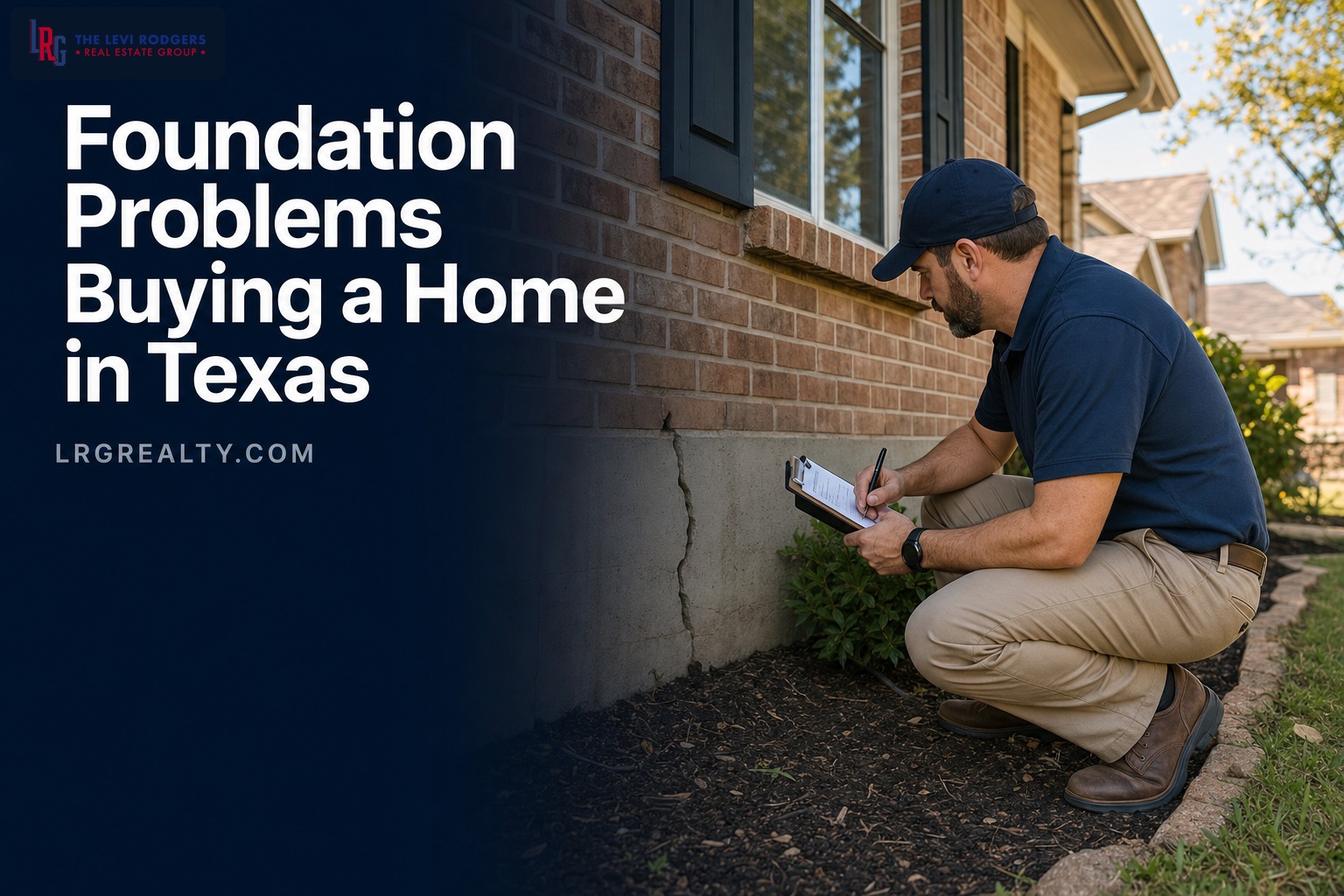
Foundation Problems When Buying a Home in Texas: What to Inspect, What It Costs, and When to Walk Away
Buying a Texas home with foundation problems? Learn warning signs, repair options, engineer inspections, financing rules, and when to walk away.

Ask LRG
AI powered · Backed by real LRG agents

3128 Napier Park
San Antonio, TX 78231
Call Us or Text Us
Main Phone: (210) 879-8220
Alternate Phone: (210) 610-0760
© 2026 Levi Rodgers Real Estate Group. All rights reserved.