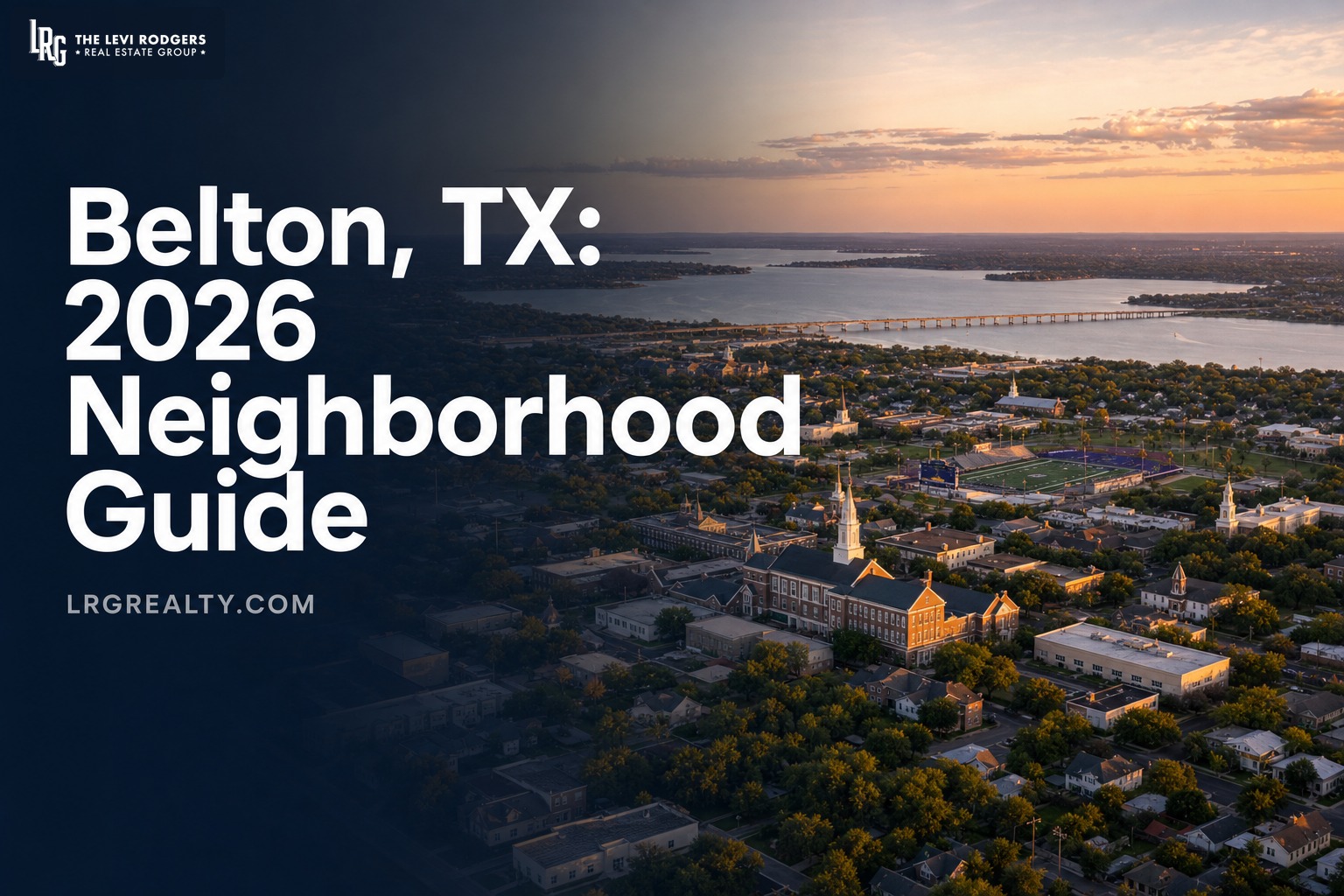
Best Neighborhoods in Lockhart, TX

Best Neighborhoods in Lockhart, TX

The best neighborhoods in Lockhart, TX usually include the Downtown / Historic District for walkability and character, Clearfork Crossing for newer suburban living, West End for an established neighborhood feel, Heritage Estates for larger custom-home lots, and South Lockhart for buyers who want a more affordable entry point without leaving town.

Next Step:

Jump to sections Jump to FAQs
Quick answers Fast clarity before you scroll.

Top Neighborhoods by Lifestyle

  • Downtown / Historic District works best for buyers who want walkability, older homes, and Lockhart’s local identity close at hand.
  • Clearfork Crossing is the more suburban lane, usually attracting families and Austin commuters who want newer homes and easier SH 130 access.
  • West End, Heritage Estates, and South Lockhart usually appeal to buyers choosing between mature neighborhood feel, larger lots, or lower entry pricing.

2026 Market Summary

  • Lockhart’s broad housing range usually runs from lower-priced South Lockhart lanes up through Heritage Estates and other larger-lot custom-home pockets.
  • Clearfork Crossing and West End tend to sit in the middle, with Clearfork feeling newer and West End feeling more established.
  • The right value call depends less on the city label and more on whether you want a lower payment, a bigger lot, or less maintenance risk.

Highest Ranked “Friendliest” Neighborhoods (2026)

  • Local sentiment often points to Landing, Spoke Hollow Road, Walter Ellison Drive, and Old Lytton Springs Road as especially welcoming pockets.
  • These are better understood as micro-areas or street-based local-sentiment lanes, not major subdivision categories buyers should treat as identical.
  • If friendliness matters, drive the exact street in the evening and look for parking patterns, upkeep, and how people actually use the block.

What to Verify Before You Commit

  • Historic homes near downtown can be compelling, but roof age, plumbing, pier-and-beam movement, and parking are bigger issues than first-time buyers expect.
  • For west and south Lockhart, the real question is not just price—it is whether the route to SH 130 or your daily errands still feels easy every week.
  • Lot drainage and floodplain context matter in lower-lying or creek-adjacent pockets; Lockhart rewards buyers who inspect the land, not just the house.

Top questions people ask first

What are the best neighborhoods in Lockhart for families?
Many families start with Clearfork Crossing and West End because those lanes usually make daily life simpler. Clearfork tends to fit households who want newer homes and easier commuter routing, while West End fits buyers who prefer an established neighborhood feel with mature trees and less subdivision uniformity.
Is Lockhart a good fit if I commute to Austin?
It can be, especially if your routine works with SH 130 and you choose a neighborhood that makes the route easier instead of adding local bottlenecks. Lockhart makes the most sense for Austin commuters who want more house or more lot than they can get farther north and are comfortable trading that for more driving.
What is the biggest mistake people make when choosing a Lockhart neighborhood online?
The most common mistake is assuming the charm works the same across the city. In Lockhart, a house near downtown can feel completely different from one on the west or south side, even at a similar price. Parking, lot shape, drainage, and road access matter more here than polished listing photos suggest.

Jump to the decision sections

Use these links to move fast. Most buyers do better when they choose the neighborhood lane first, then the house. These sections help you lock the lane with less guesswork.

Why Lockhart keeps showing up on shortlists for buyers who want character without paying Austin pricing

Lockhart usually appeals to buyers who want a place with a stronger local identity than a generic commuter suburb. The downtown square, older housing stock, and barbecue-driven city image are real parts of the draw, but the practical appeal is just as important. Buyers often come here because they want more lot, a lower entry price than many Austin-adjacent markets, or a city that still feels like a place rather than a row of brand-new subdivisions. That is what gets Lockhart on the shortlist.

The non-obvious tradeoff is that Lockhart can look simpler than it actually is. Historic houses need a different kind of inspection discipline. Newer west-side or south-side subdivisions can make commuting easier, but they may not deliver the “Lockhart character” buyers thought they were moving for. In other words, the city works best when you know which version of Lockhart you actually want: historic and central, suburban and practical, or lower-cost with more land and fewer polished edges.

  • Big draw: Lockhart offers a stronger local identity than many commuter towns, which matters if you want the city itself to feel distinctive.
  • What surprises people: “Historic charm” often means older systems, tighter parking, and a different maintenance profile than buyers first imagine.
  • Commuter logic still matters: The route to SH 130 and the way your neighborhood feeds into it can decide whether Lockhart feels practical or tiring.
  • Street choice matters: In Lockhart, the exact block can matter more than the neighborhood label because the city changes quickly by pocket.

If you want a live view of inventory while you compare lanes, start with Lockhart homes for sale. Then use the same evaluation method on every neighborhood so one charismatic house does not reset the whole search.

How the Lockhart map works: downtown, west-side commuter lanes, and the more affordable south side all behave differently

A lot of Lockhart searches make more sense once you stop treating the city like one uniform map. Downtown and the historic district behave like a different product than the west and northwest suburban lanes. South Lockhart behaves differently again, often solving a lower purchase-price problem rather than a “walkable charm” problem. The city is small enough to feel manageable, but the daily experience still changes quickly depending on whether your route points toward SH 130, toward local schools, or toward the square.

A non-obvious tradeoff is that “closer to downtown” and “easier to live in” are not always the same. Central homes may reduce the drive to local restaurants or markets, but they can also mean tighter parking, older structures, and more lot-specific quirks. West-side and commuter-friendly neighborhoods may feel less distinctive but often make the weekday loop cleaner. South-side neighborhoods may deliver more yard and lower price, but buyers need to judge the exact block because the feel can shift faster there than the listing photos suggest.

  • Downtown is its own lane: Great for people who want local character and short trips to the square, but not ideal for everyone who wants turnkey suburban ease.
  • West / northwest lanes are more commuter-driven: These usually fit buyers whose week is shaped by SH 130 or who want a more conventional neighborhood pattern.
  • South Lockhart is more budget-driven: It can solve the price problem, but the exact street and lot need more scrutiny than the name alone suggests.
  • Use a repeatable framework: Score each area with How to Choose a Neighborhood so you are judging the actual routine, not just the house.

Quick comparison of the Lockhart neighborhoods buyers actually compare

This section is the baseline. These are not rankings. They are lanes. The right lane depends on whether you want walkability and older homes, a newer commuter-friendly neighborhood, larger lots and more privacy, or a lower price point with more house-to-house variability. Use this table to narrow the field to two or three lanes, then validate your route, block, and the full cost stack next.

Neighborhood lane Best for Housing pattern General price positioning Main watchout
Downtown / Historic District Buyers who want walkability, older homes, and stronger local identity Victorian-era homes, Craftsman bungalows, smaller lots, central location Wide spread depending on renovation level Older systems, parking, and block-by-block noise/activity differences
Clearfork Crossing Families and commuters wanting newer homes and easier SH 130 access More conventional suburban neighborhood feel with newer brick homes Mid-range relative to Lockhart Less character and less privacy than older or larger-lot pockets
West End Buyers who want an established neighborhood feel without going fully historic-core Mix of mid-century and older homes, mature trees, more neighborhood variety Moderate Condition and street feel vary more than first-time buyers often expect
Heritage Estates Buyers wanting larger lots, more privacy, and a quieter upscale lane Custom homes on larger homesites Higher for Lockhart Lot upkeep, carrying costs, and less “quick errand” convenience
South Lockhart / Summerside / Windridge Value-driven buyers and households trying to keep the entry price lower Mix of newer and lower-cost suburban lanes with larger backyards in some pockets More approachable Street feel, drainage, and ownership mix need stronger filtering
  • Choose the lane first: In Lockhart, walkability, commute ease, and larger-lot privacy do not usually come together in the same neighborhood.
  • Historic charm is a real trade: The closer you get to the square, the more likely you are to trade easier upkeep for stronger character.
  • Newer does not always mean “better fit”: Clearfork and south-side new-build pockets solve different problems than the central older-home lanes.
  • Use live inventory carefully: Start with Lockhart homes for sale and then filter by the lane that matches your actual week.

Downtown / Historic District: best if you want Lockhart’s identity to be part of normal life

Downtown and the historic district usually appeal to buyers who want the city itself to matter. If walkability, older architecture, and being close to the square are the reason you are looking at Lockhart instead of a newer suburb, this lane makes sense. These are the streets where Victorian-era homes, Craftsman bungalows, and older small-lot houses can feel more interesting than standard suburban layouts. For the right buyer, that difference is the whole point.

The tradeoff is that central charm usually comes with a more complicated ownership profile. Parking is tighter. House systems are more variable. Some blocks can feel calm during a weekday afternoon and more active during evenings or weekends because the square, barbecue traffic, and downtown events pull people in. Another non-obvious issue is that “walkable” in Lockhart does not mean “leave the car forever.” You can reduce some trips, but most households still drive for school, bigger errands, or work. Buyers who do best here are the ones who want the central experience enough to accept older-home realities.

  • Best fit: Buyers who want older homes, local identity, and short access to the square to be part of their normal routine.
  • What stands out later: Being near Lockhart’s core can feel more rewarding over time than having a larger suburban lot—if you actually use the area often.
  • Likely disappointment: Buyers expecting a low-maintenance, easy-parking lifestyle often realize downtown charm comes with real tradeoffs.
  • Verify before committing: Roof, plumbing, electrical, parking, and whether the exact block still feels calm at the times you will actually be home.

Clearfork Crossing: the cleaner commuter-and-family lane for buyers who want a newer neighborhood pattern

Clearfork Crossing is often the easiest Lockhart lane to understand if you are coming from a suburban search. It tends to fit buyers who want newer brick homes, a more predictable subdivision layout, and easier access toward SH 130. If your weekday life depends on Austin commuting or you simply want a newer house without the heavier repair uncertainty of downtown Lockhart, this lane can make the decision easier quickly.

The tradeoff is that Clearfork does not give you the full “historic Lockhart” feeling that draws some buyers to the city in the first place. It is more practical than distinctive. That is not a weakness if practicality is what you need. Another non-obvious point is that suburban neighborhoods can feel easier on day one but more exposed to monotony later if the lot size, street pattern, and route options are too uniform. Buyers who do best here usually value ease over uniqueness and are honest about that.

  • Best fit: Families and commuters who want newer homes, a more conventional subdivision setup, and simpler weekday route planning.
  • What stands out later: Easier SH 130 access often matters more than neighborhood personality once the workweek becomes the real filter.
  • Likely disappointment: Buyers chasing Lockhart’s historic identity may find this lane more practical than memorable after a few months.
  • Verify before committing: The exact commute route, whether the lot feels private enough for your needs, and how much of the subdivision uses the same entrance every morning.

West End: a better fit for buyers who want a more established neighborhood without going fully downtown

West End usually works best for buyers who like the idea of a more established neighborhood but do not necessarily want an older home right in the historic core. It tends to offer a mix of mid-century and older homes, more mature trees, and a tighter neighborhood identity than some of the newer commuter subdivisions. For households that care about having a more rooted residential feel but still want practical access to schools and everyday services, this lane often makes sense.

The non-obvious tradeoff is that “established” can mean a wider spread in condition and ownership style. One block may feel settled and owner-heavy. Another can feel more mixed or less maintained. Buyers who do well here usually treat each street like its own mini-decision instead of assuming the whole neighborhood behaves the same way. This is also the kind of area where a modest house on the right block can be a better choice than a nicer house on the wrong one.

  • Best fit: Buyers who want mature trees, a calmer established neighborhood feel, and less subdivision uniformity than newer west-side lanes.
  • What stands out later: A better street rhythm and more shade often feel more valuable after move-in than upgraded finishes did during the tour.
  • Likely disappointment: Buyers who assume every part of West End feels identical may miss the block-level differences in upkeep and traffic.
  • Verify before committing: Roof age, HVAC age, street parking, and whether the specific block still feels as settled in the evening as it did during the showing.

Heritage Estates: larger lots and more privacy for buyers who want space without going fully rural

Heritage Estates usually fits buyers who want more room around the house and less visible density than the central or commuter-oriented lanes. This is the kind of neighborhood that appeals to people who like Lockhart but do not want to feel packed into a tighter city lot or a uniform newer subdivision. Larger lots, custom homes, and more separation between neighbors tend to be the main draw.

The tradeoff is that privacy usually comes with more owner responsibility. Bigger lots need more attention, and the route to daily errands can matter more than buyers expect once the initial appeal of “space” settles into normal life. Another non-obvious issue is that an upscale lane in a smaller city can still feel inconsistent if the specific lot is less usable than it looked in photos. The right move here is to inspect the land as closely as the house.

  • Best fit: Buyers who want more privacy, a larger homesite, and a quieter ownership feel than tighter in-town neighborhoods usually provide.
  • What stands out later: The extra space can feel worth it, but only if the lot is truly usable and not just visually larger.
  • Likely disappointment: Buyers who mainly want “a nicer house” may find the added lot work and longer errand loop less rewarding than expected.
  • Verify before committing: Drainage, tree maintenance, backyard usability, and whether the privacy actually improves your daily life enough to justify the price.

South Lockhart: the more affordable lane for buyers who need the payment to stay disciplined

South Lockhart usually comes into focus when the question is not “What is the most charming area?” but “What can I realistically own or rent without stretching?” Neighborhoods and pockets like Summerside and Windridge tend to matter in this lane because they can give buyers a lower entry point, larger backyards in some sections, and a more manageable path into the market than central historic homes or higher-end custom-lot neighborhoods. For many buyers, that is enough reason to start there.

The tradeoff is that affordability usually requires more filtering. Some blocks feel stable and straightforward. Others can feel more mixed or less polished. A non-obvious issue here is that a lower purchase price can tempt buyers to ignore drainage, lot grading, or the actual street rhythm because the monthly payment looks better. That is exactly when discipline matters most. In value-driven lanes, the wrong street can cost more in frustration than the lower purchase price saves.

  • Best fit: First-time buyers and value-driven households who want Lockhart access without stepping into the city’s higher-price or older-home lanes.
  • What stands out later: The lower payment can feel worth it, but only if the exact street and route still support the life you actually live.
  • Likely disappointment: Buyers who assume all lower-cost pockets are interchangeable can end up on the wrong block even if the house itself looks fine.
  • Verify before committing: Drainage, parking patterns, owner-vs-renter mix, and whether the route to SH 130 or your daily errands still feels reasonable.

Landing, Spoke Hollow Road, Walter Ellison Drive, and Old Lytton Springs Road: useful local-sentiment pockets, but not formal “best neighborhood” answers by themselves

These names usually show up because of local sentiment rather than conventional subdivision marketing. That matters. They can be useful if what you care about most is how the street feels to people who already live there. Landing and Old Lytton Springs Road tend to get mentioned for a quieter, tree-lined or more rural-feeling atmosphere. Walter Ellison Drive is often described as cleaner and more family-oriented. Spoke Hollow Road tends to fit buyers who want privacy and natural surroundings. Those are meaningful signals, but they should be treated as local-feel clues, not final answers.

The non-obvious issue is that “friendliest” is not the same as “best fit.” A street can feel welcoming and still be wrong for your budget, route, or maintenance tolerance. That is especially true in Lockhart, where road type, lot depth, and drainage can matter as much as neighbor sentiment. If these pockets interest you, use them as prompts to drive the exact area—not as shortcuts that replace the normal checks.

  • Best fit: Buyers who care a lot about how a street feels in real life and are willing to judge the exact micro-area, not just a broader neighborhood label.
  • What stands out later: Street-level comfort often matters more than neighborhood marketing, especially in a smaller city like Lockhart.
  • Likely disappointment: Buyers who treat a “friendly” pocket like a full neighborhood ranking can skip critical checks on route, lot, and cost.
  • Verify before committing: Whether the street also works for parking, drainage, route convenience, and ownership mix—not just neighborhood sentiment.

Daily life in Lockhart: small-city identity, downtown gravity, and a commute pattern that can work well or wear on you

Lockhart’s daily-life pattern is one of the main reasons people move there. The city has a local identity that many Austin-area commuters and relocating households find more appealing than a fully generic suburb. Downtown feels like a real center, not just a historic backdrop. That can be a major plus if you want restaurants, local business, and community rhythm to actually matter in your week. At the same time, most daily life is still car-based. The city is easier to navigate than larger metros, but the route to SH 130 is still part of the decision.

The non-obvious issue is that Lockhart can feel different on a Saturday than it does on a Wednesday. The weekend version is all charm, downtown movement, and local draw. The weekday version is about route efficiency, school logistics, and whether the block around your house still feels as comfortable once the event or restaurant energy fades. Buyers who stay happiest usually choose the neighborhood that works on the ordinary days, not just the fun ones.

Daily-life factor What attracts buyers at first What matters after six months Who tends to like it most
Downtown Lockhart Historic square, restaurants, and stronger city identity Feels worth it if you actually use the square often enough to justify the tradeoffs in parking and older housing Buyers who want local character to be part of everyday life
SH 130 access Looks simple on the map for Austin commuting Still depends on the exact neighborhood and how quickly you can get onto the corridor Commuters and hybrid workers
Historic housing Charm, architecture, and stronger visual identity Works best if you are comfortable with older-home maintenance and less “plug-and-play” ownership Character-first buyers
South / west suburban lanes Newer homes, larger yards in some pockets, and easier route planning Feels better for households that prioritize practical routine over downtown proximity Families and value-driven buyers
  • Downtown is a real asset: It gives Lockhart more identity than many commuter towns, but it only adds value if you actually use it.
  • Commuting still decides the week: The closer your lane gets to SH 130 logic, the more practical Lockhart usually feels for Austin-based work routines.
  • Historic charm is not a shortcut to easy ownership: Central homes can be rewarding, but they often ask more of the owner over time.
  • Choose the version of Lockhart you will actually live: The neighborhood that looks most charming may not be the easiest one to live in five weekdays a week.

Costs, condition, drainage, and the monthly stack: what Lockhart buyers need to model early

In Lockhart, the cost stack changes by lane more than many buyers expect. Downtown and historic-core homes often require a stronger maintenance reserve because house age matters. Newer west-side or south-side neighborhoods may reduce early repair risk, but they can shift more of the cost into taxes, HOA dues where applicable, and a more fixed monthly payment. Larger-lot or lower-cost pockets can also look appealing until grading, drainage, or lot usability start changing the equation.

A non-obvious issue is that lower price and lower stress are not the same thing. A cheaper house in a value-driven pocket may still be the wrong choice if the lot holds water, the roof is aging, or the route is frustrating every day. The best Lockhart decision usually comes from comparing the full monthly and annual profile: mortgage, taxes, insurance, repairs, and whether the lot behaves like a low-drama property or an ongoing project.

  • Model the full payment: Mortgage, taxes, insurance, HOA, and reserves should all be on the same worksheet before you compare lanes seriously.
  • Historic homes need reserves: Older systems, pier-and-beam work, roofs, and drainage patterns deserve more attention than cosmetic updates.
  • Value lanes still need discipline: A lower purchase price helps only if the lot, route, and maintenance profile do not turn into recurring friction.
  • Use the right tools: Review Monthly Payment Stack Checklist, Commute First Neighborhood Strategy, and Closing Readiness Checklist for Texas Buyers before you decide the charm or the price is worth the carrying cost.

Lockhart buyer checklist: how to choose the right neighborhood with less drift and fewer surprises

The fastest way to make a better Lockhart decision is to treat it like a controlled comparison. Most regret here comes from skipping one of three basics: route testing, lot and drainage evaluation, or monthly stack modeling. Use this checklist to keep the decision grounded in what actually drives satisfaction after move-in: daily routine, ownership workload, and whether the exact street still feels right after the “charm” factor stops doing all the work.

  • Pick the lane first: Decide whether you want historic walkability, newer commuter convenience, larger-lot privacy, or a lower-cost entry before you tour.
  • Drive your real route: Test SH 130 access and your weekday commute at the exact times you will use it, not on a quiet weekend.
  • Judge the lot honestly: Drainage, backyard usability, driveway layout, and parking can matter as much as the house itself in Lockhart.
  • Walk the block in the evening: Parking, noise, and street rhythm are usually clearer after work hours than during a scheduled showing.
  • Run the stack in writing: Model taxes, insurance, HOA, and reserves so the city’s charm or price does not choose the budget for you.
  • Keep the finish line organized: Use Utility and Move In Planner for Texas Buyers so the last phase stays controlled instead of reactive.

The Bottom Line

The best neighborhood in Lockhart depends on what you want your week to feel like. Downtown / Historic District is the strongest character-first lane. Clearfork Crossing is the cleaner commuter-and-family lane. West End works for buyers who want an established neighborhood without being fully downtown. Heritage Estates fits larger-lot privacy buyers. South Lockhart usually makes the most sense for value-driven buyers who still want to stay in town. In Lockhart, the right answer is usually the lane that still works after the charm, the barbecue, and the first tour stop feeling new.

Related LRG resources

Use these resources to keep your search controlled and to compare Lockhart neighborhood lanes with less drift and fewer surprises.

Explore Lockhart and related planning guides

Frequently asked questions

What are the best neighborhoods in Lockhart, TX?
Many buyers start with Downtown / Historic District, Clearfork Crossing, West End, Heritage Estates, and South Lockhart lanes like Summerside or Windridge. The best choice depends on whether you want walkability and charm, newer commuter convenience, larger lots, or a lower-cost entry point.
Is Lockhart a good fit for Austin commuters?
It can be, especially for buyers who want more house or more lot than they can get farther north and are comfortable with a drive-based routine. The neighborhoods that work best for commuters are usually the ones that make SH 130 access simpler and reduce local route friction.
Which Lockhart neighborhood is best if I want historic charm?
Downtown and the historic district are usually the first place buyers look when they want older architecture, walkability, and stronger local identity. The tradeoff is that older homes often come with more maintenance, tighter parking, and more block-level variation than suburban lanes.
Is Clearfork Crossing the best neighborhood in Lockhart for families?
It is often one of the easiest family-and-commuter lanes to understand because it combines newer homes with a more suburban neighborhood pattern and easier route planning. That does not make it right for everyone. Buyers who want bigger lots or stronger historic character often prefer other parts of Lockhart.
What should I verify before buying a historic home in Lockhart?
Prioritize roof age, plumbing, electrical condition, foundation behavior, drainage, and parking. Historic houses can be rewarding, but the charm only helps if the systems and the lot work as well as the photos suggest.
Are South Lockhart neighborhoods good first-time-buyer options?
They can be, especially for buyers trying to keep the payment lower while staying in Lockhart. The key is to judge the exact block and lot carefully because value-oriented pockets can vary more in parking, upkeep, and ownership mix than the neighborhood name alone suggests.
How should I think about the “friendliest” areas in Lockhart?
Treat them as local-sentiment clues, not full neighborhood rankings. Landing, Spoke Hollow Road, Walter Ellison Drive, and Old Lytton Springs Road can be useful prompts for what local residents like, but you still need to test the route, the lot, and the block before deciding they fit your life.

Resources Used

  • City of Lockhart historic downtown and city information
  • Texas Parks and Wildlife: Lockhart State Park
  • Nextdoor neighborhood-sentiment pages for Lockhart micro-areas
  • Current Lockhart neighborhood and commute context
  • LRG Realty planning and buyer resources

What to Consider When Choosing Where to Live in Lockhart TX

  1. Budget: Lockhart TX real estate runs from around $180,000 in South Lockhart to $500,000 in upscale Heritage Estates.

  2. Commute: If you work in Austin or San Marcos, factor in driving times—generally 35 minutes to Austin, 20 minutes to San Marcos.

  3. Schools: Research Lockhart ISD’s campus ratings. Lockhart ISD and GreatSchools provide up-to-date info.

  4. Amenities: Downtown offers walkable dining and shopping; Clearfork Crossing and West End boast family-oriented features.

  5. Future Growth: Lockhart is expanding, particularly on the south and west sides. New developments can influence home values over time.

How to Find Your Ideal Home in Lockhart

  1. Get Pre-Approved: Talk to local lenders like First-Lockhart National Bank to set your budget.

  2. Work with a Local Expert: A Lockhart-based realtor can provide insider tips on upcoming listings and price trends.

  3. Tour Multiple Neighborhoods: Visit at different times (morning, evening, weekend) to gauge traffic and ambiance.

  4. Stay on Top of Market Trends: Homes for sale in Lockhart TX typically stay on the market for 30–60 days, with faster turnover in popular areas.

  5. Negotiate Carefully: Many sellers may offer concessions for older homes needing updates, especially Downtown or West End properties.

Cost of Living in Lockhart TX

Compared to larger metro areas, living in Lockhart TX is budget-friendly. There’s no state income tax, and the property tax rate hovers around 1.9%.

Expense Average in Lockhart National Average
Median Home Price $250,000 $400,000
Monthly Rent (2-bed) $1,200 $1,800
Utilities (monthly) $150 $200
Groceries (monthly) $350 $400

The Bottom Line

Choosing where to live in Lockhart is a matter of what is most important to you—history, affordability, family, or convenience. Downtown Lockhart is perfect for anyone who loves older houses and a walking social life.

Subdivisions like Clearfork Crossing and West End are ideal for families who require safe, friendly streets near schools. South Lockhart offers more affordable housing, while Heritage Estates offers luxury and more privacy for those who want it.

Across every corner of Lockhart, you’ll find a welcoming community, easy access to Austin, and an authentic Texas vibe. If you’re ready to explore Lockhart TX real estate, now is the time to connect with a local expert.

Frequently Asked Questions

What are the most family-friendly neighborhoods in Lockhart, TX?
Clearfork Crossing and West End both stand out for their proximity to schools, community events, and safe streets—ideal for families.

Is Lockhart, TX a good place to live for commuters?
Absolutely. While it’s a small town, Lockhart’s location along TX-130 allows a roughly 35–45-minute drive to Austin and about 20 minutes to San Marcos.

How much do homes cost in Lockhart, TX?
Expect a median of around $250,000, with lower-priced options (around $180,000) in South Lockhart and higher-end homes (up to $500,000) in Heritage Estates.

Are there new developments or subdivisions in Lockhart?
Yes, especially in South Lockhart and Clearfork Crossing. Future growth could impact property values, making an early purchase a smart investment.

What is there to do in Lockhart?
From touring the historic downtown to picnicking at Lockhart State Park and savoring barbecue at local spots, there’s plenty to explore and enjoy.


LRG Realty — Veteran-Owned. Trusted Locally. 📩 Contact Us