
Homebuyer Readiness Checklist
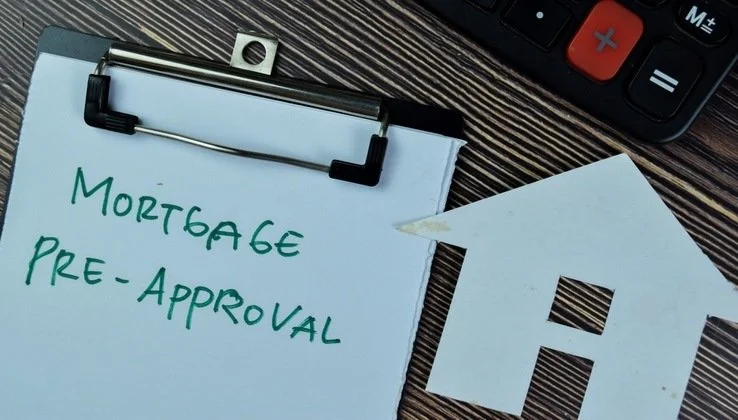
Homebuyer Readiness Checklist for 2026, Plus a Score You Can Trust
Last updated: Built to pair with the Homebuyer Readiness Calculator
The internet makes buying a home look like a weekend project. Real life is messier. Credit scores move, lenders ask for documents you forgot existed, and the “perfect” house shows up the week your car needs a repair. This guide is the practical version. It gives you quick answers up top, then walks through the numbers, paperwork, and timing that decide whether you get the keys or get beat out. When you are ready for a clean yes or no, run the calculator and save your results.
Quick Answers
Fast snapshot before you scroll.If you want to buy soon
- Stop guessing and get a lender preapproval with documents, not a soft quote.
- Pick a monthly payment target first, then shop homes that fit it.
- Keep a cash cushion so inspections and moving week do not break your plan.
If you are six months out
- Pay down revolving balances to improve scores and reduce your DTI pressure.
- Build a document folder now so underwriting does not slow you later.
- Track neighborhoods, not just listings, so you understand pricing patterns.
Cash you should plan for
- Closing costs exist even when down payment is low or zero.
- Reserves help you qualify and help you sleep during the process.
- Moving costs can surprise buyers who only budget for the loan.
The one number most buyers miss
- Debt to income is not just your credit card bill. It is the whole monthly picture.
- Higher ratios can still work, but the file gets more scrutiny.
- Use a realistic housing payment that includes taxes and insurance.
Top questions buyers ask first
What does “ready to buy” actually mean?
How much cash should I have after closing?
What debt to income target is “safe”?
Mini Readiness Check
If you want a fast signal before you run the full calculator, use this quick check. It scores the same pressure points lenders and buyers feel most: credit band, timeline, cash cushion, job stability, and a rough debt to income snapshot.
Your readiness signal
Fill out the form to get a quick readiness signal and next steps.
Interactive Readiness Checklist
This is the part most buyers skip. They read, they feel motivated, and then nothing changes. Use the checklist like a flight plan. Check items off, watch the progress move, and copy your plan into a note you can keep open while you work.
What readiness looks like in the real world
“Are we ready to buy” is usually a feeling disguised as a math problem. One partner feels ready because the lease is up. The other partner feels ready because the savings account looks healthy. The market does not care about either feeling. Lenders care about what you can document. Sellers care about whether your offer is likely to close. And you should care about whether the payment still works when life gets loud.
Here is a cleaner way to think about it. You are ready when your plan can survive three predictable moments: underwriting, inspection week, and the first sixty days after closing. Underwriting is where paperwork and numbers get verified. Inspection week is where buyers learn what the home needs. The first sixty days is when movers, utility deposits, small repairs, and furniture purchases show up at the same time. If your budget can handle those moments, buying stops feeling like a gamble and starts feeling like a decision.
Quick reality check: If a surprise one thousand dollar expense would force you to use high interest debt, you are not “behind,” but you do need a tighter plan before you commit to a payment.
Start with the payment, not the price
Buyers love talking about home price. Lenders love talking about monthly payment. The monthly payment is the number that decides your life, because it competes with everything else you pay every month. If you do not set a payment target first, you end up shopping for a lifestyle and then trying to force the math to cooperate.
The clean approach is simple. Choose a monthly payment that lets you keep saving, keep living, and still handle repairs. Then back into a price range from there. This is also the fastest way to avoid regret, because the buyer who stretches to the top of approval is the buyer who feels trapped if anything changes.
- Use total payment: Include taxes, insurance, and HOA so the number is not fantasy.
- Keep breathing room: A payment that leaves nothing left over is a stress test, not a plan.
- Decide your ceiling now: When you fall in love with a house, you want a rule to protect you.
- Be honest about lifestyle: Child care, travel, and car payments are not optional in real budgets.
Debt to income is a pressure gauge
Debt to income gets treated like a pass or fail number, but it is really a pressure gauge. As your ratio climbs, every other weak spot matters more. A borrower with a higher ratio can still be approved, but that file needs stronger compensating factors, cleaner documentation, and less chaos during the process.
This is why a readiness tool helps. It forces you to plug in actual numbers instead of best case guesses. If you want the most accurate read, run the full Homebuyer Readiness Calculator after you complete the mini check above.
| Stage | What it usually means | Where buyers get surprised |
|---|---|---|
| Prequalification | Rough estimate based on self reported income and debt. | Buyers assume it is a green light, then underwriting asks for proof and conditions appear. |
| Preapproval | Lender reviews documents and runs credit, then issues an approval letter. | Conditions still show up if income is variable or assets are not seasoned. |
| Underwritten approval | Many conditions cleared before you make an offer, depending on lender process. | Buyers feel “done” and forget the property still must appraise and pass required checks. |
Cash is not only down payment
The most common readiness mistake is budgeting for the down payment and forgetting the rest. Even when a buyer has a low down payment option, there are still costs around closing. There are also costs that do not show up on the closing disclosure at all, like movers, deposits, first month utilities, and the small repairs you do in the first week because you cannot unsee them.
This is where you can buy yourself calm. A cash cushion turns emergencies into inconveniences. It also gives you negotiating power, because you can afford inspections, you can handle small appraisal related fixes if needed, and you can survive a closing delay without panic.
- Closing costs: Plan for lender and third party fees plus prepaid items like insurance and taxes.
- Inspections: Budget for general inspection and any specialist inspections common in your area.
- Moving costs: Trucks, storage, temporary lodging, and setup fees can add up fast.
- First month surprises: You will buy tools, filters, small hardware, and more than you expect.
Credit readiness is about patterns, not perfection
A strong credit score helps, but the bigger story is pattern. Lenders want to see that you pay on time and that you do not rely on maxed out revolving debt to get through the month. If your score is lower than you want, the fastest improvements often come from reducing utilization and cleaning up errors, not from opening new accounts.
Buyers also get tripped up by timing. A big purchase right before applying can move your score and change your ratios. This is why the smartest buyers treat the sixty to ninety days before applying like a quiet period. No new credit. No surprise furniture financing. No “we will deal with it later.”
- Utilization matters: Paying down cards can lift scores and lower ratios at the same time.
- On time history matters more: Even one late payment can change the tone of underwriting.
- Do not open new accounts casually: New credit can reduce average age and add new payments.
- Keep documentation simple: Clean, predictable bank statements make approvals faster.
Preapproval is where speed and confidence come from
In a competitive market, sellers do not just pick the highest number. They pick the offer they believe will close. A solid preapproval with clean documentation makes your offer feel safer, and safety can beat a slightly higher price from a buyer who looks shaky.
Preapproval also protects you. It forces the lender conversation early, when you still have time to fix issues. If a lender is going to ask for additional documents, you would rather learn that before you fall in love with a house and start paying for inspections.
Reporting tip: When buyers say “the lender approved me,” what they often mean is “the lender estimated me.” A real preapproval involves documents and a clear list of conditions, not just a phone call.
House hunting is a strategy, not a scroll
Once buyers get preapproved, the next trap is browsing too wide for too long. When you tour ten neighborhoods, fifty homes, and three different school zones, everything starts to blur. The buyers who make smart decisions typically narrow the search early, then learn those areas deeply.
This is where your readiness shows up in public. A prepared buyer can move quickly on a good listing, because they have already decided what matters. A buyer who is still “figuring it out” often hesitates, then tries to rush when the house is gone. That is how people overpay.
- Pick three target areas: Learn their pricing so you can recognize a fair deal fast.
- Write your must haves: Bedrooms and commute are easy. Light, layout, and storage are where regret hides.
- Know your walk away rules: Foundation issues, flood risk, or major repairs should be decided before the tour.
- Plan for the offer moment: If you need to talk it out for two days, you are not actually ready.
Inspection week is the moment buyers learn what “ownership” means
Inspection reports can feel scary because they list everything. That is the point. No home is perfect. The readiness difference is how you react. Prepared buyers budget for repairs and focus on safety and major systems. Unprepared buyers try to renegotiate everything and burn goodwill.
Keep your approach simple. Ask for repairs that impact safety, financing, or long term health of the home. For everything else, ask for credits when it makes sense, then decide what you can handle after closing. If you do not have a repair cushion, even minor issues will feel like a crisis.
Your next steps
If you want a fast plan, do three things today. First, run the mini readiness check and write down the two weakest signals it flags. Second, open the Homebuyer Readiness Calculator and enter real numbers, not estimates you hope are true. Third, use the checklist section to pick the next ten actions that move you from curious to ready. Buying a home is not about being fearless. It is about being prepared enough that the process does not push you into a bad decision.
Educational note: This guide is planning content, not financial or legal advice. Loan rules and approvals vary by program and lender. A quick conversation with a qualified lender and a local agent can save you weeks.
More readiness FAQs
These are the questions that usually show up right after buyers run a readiness score.







 LRG Realty — Veteran-Owned. Trusted Locally.