The right town depends on what you prioritize: commute length, school district ratings, lot size, or monthly housing cost. Families with school-age kids tend to land in Round Rock or Georgetown for district quality. Budget-conscious buyers stretch further in Pflugerville or Kyle. Buyers who want acreage without a 60-minute commute look at Hutto or Liberty Hill.
What makes the Austin area stand out
The right town depends on what you prioritize: commute length, school district ratings, lot size, or monthly housing cost. Families with school-age kids tend to land in Round Rock or Georgetown for district quality. Budget-conscious buyers stretch further in Pflugerville or Kyle. Buyers who want acreage without a 60-minute commute look at Hutto or Liberty Hill.
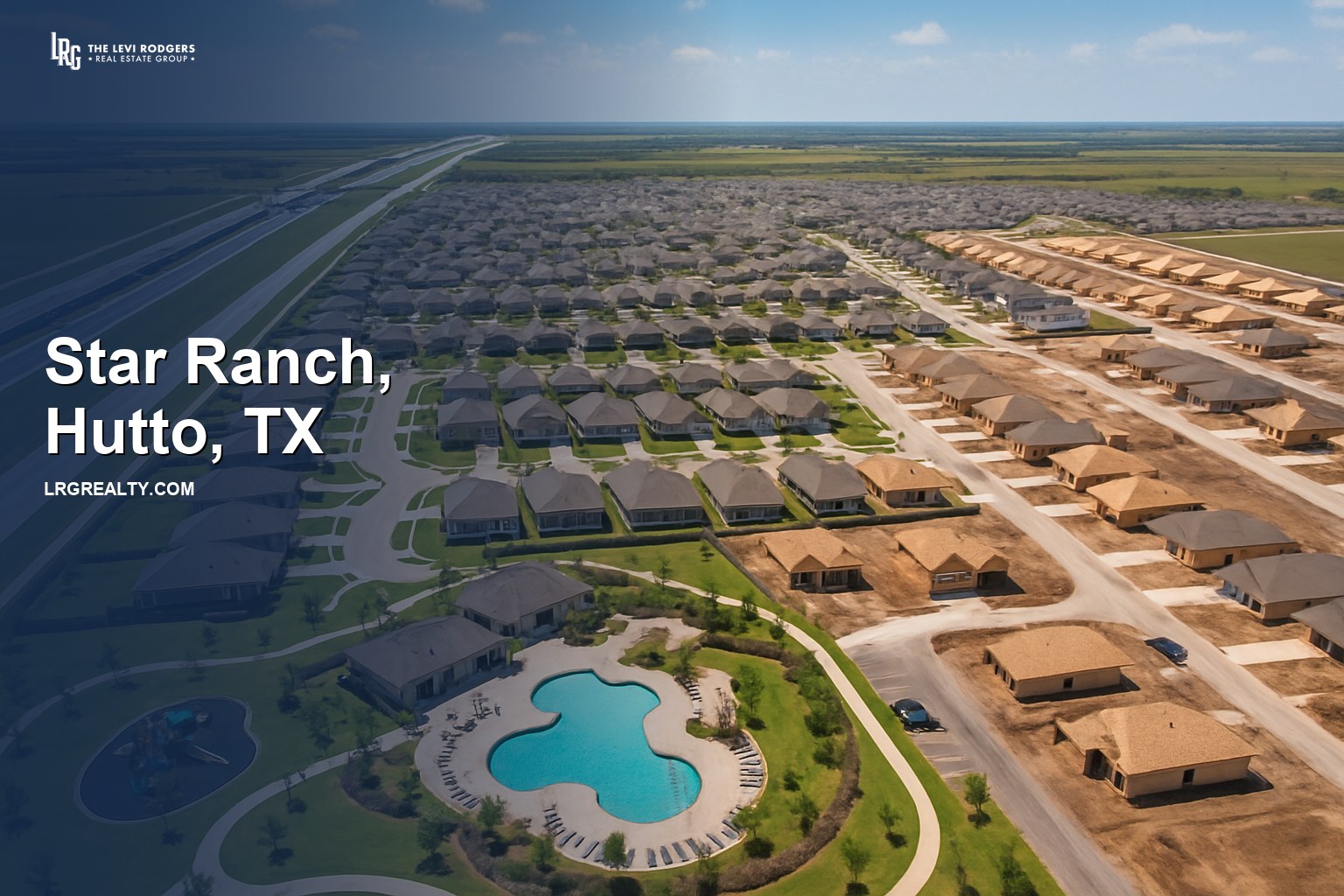
Round Rock and Cedar Park sit closest to Austin’s tech corridor along I-35 and 183, keeping commutes to downtown under 30 minutes on most days. Georgetown, about 30 miles north, runs at a slower pace with a historic square, slightly lower property tax rates, and a median home price near $420K. Move further out to Hutto or Liberty Hill and you pick up newer construction, quarter-acre-plus lots, and median prices in the $350K to $390K range. The trade-off is a longer drive.
- Round Rock: $445K median home price, top-rated RRISD schools, 20-minute commute to downtown Austin.
- Cedar Park: $430K median, fast access to northwest Austin employers along 183A, served by Leander ISD.
- Georgetown: $420K median, lower crime rate, Sun City active-adult community, walkable historic downtown square.
- Pflugerville: $385K median, 15 minutes from downtown, improving schools, heavier congestion on I-35 and 130.
the Austin area at a glance
What you can buy in the Austin area
The most expensive relocation mistakes near Austin aren’t about picking the wrong suburb. They’re about tax assumptions, timing errors, and skipping local homework. Buyers relocating from states with lower property tax rates regularly underestimate how MUD and PID assessments inflate their monthly housing cost beyond the base mortgage payment. A few overlooked line items can add $300 to $500 per month to what you actually owe.
Property tax rates swing across counties in the Austin metro. Williamson County‘s effective rate runs around 2.1% to 2.3%, while Hays County averages closer to 1.8%. On a $425,000 home, that gap means roughly $1,700 more per year. Newer subdivisions in Leander, Hutto, and Liberty Hill often sit inside Municipal Utility Districts that tack on an additional 0.5% to 1.0%. Builders rarely volunteer that information, and it won’t show up on a standard mortgage estimate unless you ask.
- Signing before driving the commute at rush hour. I-35 from Round Rock to downtown Austin takes 55 minutes at 7:30 a.m. versus 25 minutes at mid-morning. Weekend visits give you a false picture of your actual daily drive.
- Assuming district-level school ratings apply to every campus. Georgetown ISD and Leander ISD score well overall, but individual elementary and middle school ratings vary by 15 to 20 points. Check the specific campus your address feeds into.
- Skipping flood zone verification in newer subdivisions. Parts of Pflugerville, Hutto, and eastern Williamson County sit in FEMA zones requiring separate flood insurance, typically $1,200 to $2,500 per year on top of your homeowner’s policy.
- Ignoring HOA fees and restrictions in master-planned communities. Monthly dues in developments like Bryson (Leander) or Rancho Sienna (Georgetown) run $75 to $150, and some covenants restrict rentals, parking, or exterior modifications.
Where to focus inside the Austin area
Monthly housing costs drop sharply once you cross outside Austin’s city limits, but the savings vary by direction and distance. Georgetown and Hutto offer the steepest price discounts compared to Austin proper, where the median home price sits above $500,000. Lakeway and Westlake Hills often cost more than central Austin. Commute times range from 15 minutes to over an hour depending on your route and workplace.
The I-35 corridor towns (Round Rock, Georgetown, Hutto) give you the most house per dollar but also the worst peak-hour traffic. Highway 183 north toward Cedar Park and Leander moves faster during rush hour thanks to the 183A toll road. Towns west of Austin along Highway 71, like Bee Cave and Lakeway, sit closer to downtown but have fewer route options, so one accident on 71 can turn a 25-minute drive into 50. Remote and hybrid schedules change this calculation entirely.
- Round Rock: Median home price around $410,000. Commute to downtown Austin averages 30 to 45 minutes via I-35, longer during peak hours. Round Rock ISD is one of the top-rated districts in the metro.
- Georgetown: Median home price near $380,000. Expect 40 to 55 minutes to downtown. Popular with retirees (Sun City) and families drawn to Georgetown ISD.
- Cedar Park: Median home price around $450,000. The 183A toll road keeps commutes at 25 to 35 minutes. Leander ISD serves most neighborhoods.
- Hutto: Median home price near $340,000, among the lowest in the Austin metro. Commute runs 40 to 55 minutes to downtown via 130 Toll or I-35.
Round Rock ISD campuses serving the Austin area
the Austin area is served primarily by Round Rock ISD (RRISD), which covers most residential addresses in the area. School quality drives buyer demand and supports resale values across the local market.
Verify the exact campus assignment for your specific address before making an offer. Attendance zones can shift, and two homes on the same street may feed into different campuses.
- Verify assignment by address: Attendance zones do not always follow subdivision boundaries. Confirm the exact elementary, middle, and high school for your lot.
- School quality supports resale: Homes zoned to higher-rated campuses typically sell faster and at a premium.
- Compare districts honestly: If school quality is not a priority, similarly priced homes in other districts may offer more space or lower taxes.
Getting to and from the Austin area
the Austin area connects to the broader Austin area via major highways. Most daily errands stay within the immediate area, and downtown is reachable in 25 to 35 min.
Rush-hour traffic adds time to any commute estimate. Test your actual route at your departure time before committing.
- Test the real drive: Off-peak estimates and rush-hour reality can differ by 15 to 20 minutes on the same route.
- Daily errands stay local: Grocery, dining, and basic services are generally accessible within the immediate area.
- Airport access: Austin-Bergstrom International is reachable within 20 to 35 minutes.
- Highway access matters: Proximity to major highways determines whether your commute works. Check your specific route.
Who the Austin area fits
How to buy well in the Austin area
Buying in the Austin area requires comparing specific subdivisions rather than treating the area as a single market. Use this checklist to cover the variables that matter most.
- Verify school zoning by address: Attendance boundaries can split a street. Confirm the exact campus assignment before writing an offer.
- Model the full monthly cost: Purchase price, property taxes, HOA dues, and insurance vary across subdivisions. Model each one separately.
- Test your commute at rush hour: Off-peak and peak-hour drive times can differ by 15 to 20 minutes on the same route.
- Confirm city limits versus county: Tax rates and services differ depending on jurisdiction.
- Check HOA rules and dues: HOA structures vary widely. Confirm dues, restrictions, and coverage before closing.
- Tour multiple subdivisions: Homes in the same area can have very different daily experiences depending on the specific subdivision.
The bottom line on the Austin area
The best city near Austin for you comes down to four factors: commute time, school district ratings, lot size, and monthly housing cost. Round Rock and Georgetown keep drawing families for their schools. Smaller towns 30 to 50 minutes out offer more land and lower prices, but they function as independent communities with their own economies, not as Austin suburbs.
What matters most is avoiding the expensive mistakes: wrong tax assumptions, bad timing, and skipping local homework. Narrow your list to three towns before touring anything. Set hard floors on school ratings and hard ceilings on commute and budget. Your daily life will center on H-E-B runs and school pickups, not Barton Springs. Pick the town that fits how you’ll actually live.
the Austin area FAQs
What is the best town to live near Austin, Texas?
What are the nice towns around Austin, Texas?
What are the best cities to live near Austin, TX?
What are the best cities near Austin for families?
How are the suburbs near Austin laid out geographically?
Related Austin resources
Sources
- Round Rock ISD (RRISD) campus information
- Pflugerville ISD (PFISD) campus information
- Travis County Appraisal District property records
- Austin Board of Realtors market data

Jason Szakel
REALTOR · San Antonio & Austin · TREC #728156
Jason "Zake" Szakel serves on the Agent Advisory Board at Levi Rodgers Real Estate Group as a supervising mentor, guiding agents through complex transactions across San Antonio and Central Texas.