
Best Neighborhoods in Cibolo, Texas
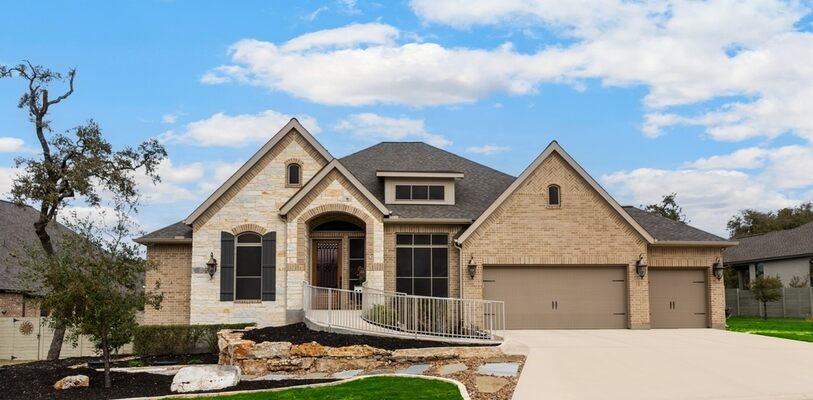
Best Neighborhoods in Cibolo, Texas
Cibolo has become one of the most popular places to buy on the northeast side of the San Antonio metro because it hits a rare combo: strong school demand in Schertz Cibolo Universal City ISD, a practical commute posture toward Randolph Air Force Base, and enough neighborhood variety to match very different lifestyles. Some buyers want a master planned community with a pool, trails, and events. Others want an established subdivision with mature trees and fewer surprises. Many military families want commute control first and everything else second. This guide breaks Cibolo into clear lanes, compares the top neighborhoods, and gives you the buyer checkpoints that actually prevent regret.
Pricing changes with inventory and the mix of homes listed, so use the ranges here as planning lanes. Then confirm live listings, recent closed sales, tax structure, and school zoning for each exact address before you write.
Best for master planned amenities
- The Crossvine is a strong fit when you want trails, a modern community feel, and a true amenity center routine.
- It works well for families who want a social neighborhood posture without driving for every activity.
- Confirm HOA rules and tax structure early so the monthly cost stays honest.
Best for an active lifestyle lane
- Turning Stone is popular for clubhouse style amenities, sports courts, and a neighborhood energy that stays consistent.
- It fits buyers who want a community feel with a more established look than brand new development.
- Lot position matters, so tour with noise and traffic awareness.
Best for value and first time buyers
- Buffalo Crossing often delivers a budget disciplined entry point with easy access to major routes.
- It is a practical choice when the goal is ownership stability without stretching.
- Compare homes by condition and roof age, not by photos.
Best for commute first households
- Falcon Ridge and nearby established pockets can be strong for military families prioritizing time back in their day.
- It fits buyers who want a shorter drive and a straightforward, low drama routine.
- Verify school zoning and the true commute timing at shift change windows.
Jump to the neighborhoods and decision sections
Use these quick links to go straight to the communities you are considering, plus the school and commute planning sections.
How to choose the right Cibolo neighborhood
The fastest way to pick the right Cibolo neighborhood is to start with the routine you live, not the features you think you should want. Cibolo has several lanes that look similar on a map but feel very different in daily life. A master planned neighborhood can be a dream if you use the amenities weekly. That same neighborhood can feel expensive and restrictive if you prefer privacy and flexibility. An older, established subdivision can feel calm and grounded, but it can also require more condition diligence because updates vary home to home. Your job is to choose a lane first, then pick the pocket that executes that lane cleanly.
- Define your non negotiables: Commute time, school priorities, and monthly cost comfort should be decided before you tour, not after you fall in love.
- Choose amenities or flexibility: Amenity centered communities often come with HOA rules. Decide if that tradeoff helps your lifestyle or limits it.
- Verify school zoning by address: District reputation matters, but boundaries can be street specific. Confirm the exact campus path for any home you consider.
- Price the full monthly ownership picture: Taxes, HOA dues, insurance, and maintenance often change affordability more than purchase price alone.
- Tour like a buyer, not a browser: Drive the main routes you will use, test parking reality, and view at least once near the time you actually commute.
If you want a repeatable method that works across every city and corridor, use: How to choose a neighborhood.
Cibolo neighborhood comparison at a glance
Use this table as a planning tool to shortlist where to tour first. Price lanes are directional for 2026 planning and can shift quickly with inventory, builder incentives, and interest rate movement. The point is to compare neighborhoods using the same baseline so you do not move the goalposts between tours.
- Match the vibe to your household: A quiet street can matter more than a fancy amenity if you value calm.
- Do not ignore taxes and HOA structure: Two similar home prices can have very different monthly totals.
- Condition changes value more than marketing: Roof age, HVAC condition, and water intrusion history should rank above paint and staging.
- Commute is quality of life: A small commute difference becomes a large life difference over years.
- Pick with tradeoffs, not perfection: The right neighborhood is the one whose downsides you can live with without resentment.
| Neighborhood | Best for | Typical price lane | Vibe | Buyer watchout |
|---|---|---|---|---|
| The Crossvine | Modern master planned amenities and newer homes | Roughly $350,000 to $500,000 | Newer, trail focused, community oriented | HOA rules and tax structure, confirm monthly total |
| Turning Stone | Active neighborhood amenities and a strong community feel | Roughly $340,000 to $450,000 | Established to newer mix, clubhouse style | Lot position and traffic patterns, tour at peak times |
| Buffalo Crossing | Value focused ownership and practical commuter access | Roughly $300,000 to $400,000 | Budget disciplined suburban | Condition variance, compare systems not cosmetics |
| Bentwood Ranch | Established feel with a calmer day to day rhythm | Often around the low $300,000s into mid $300,000s | Neighborhood charm, parks, steady demand | Update levels vary, inspect carefully |
| Saddle Creek Ranch | Newer upscale construction and gated options | Often roughly $375,000 to $550,000 | Modern and more curated | HOA detail and resale lane choice by pocket |
| Falcon Ridge | Commute control for military and working households | Often mid $200,000s to upper $300,000s | Mixed ages, practical, location driven | Street by street feel, verify parking and noise |
Neighborhood name alone is not enough. Always confirm the exact pocket, HOA documents, and school zoning for the address you want.
The Crossvine
The Crossvine is a strong fit when you want a modern neighborhood feel with a real lifestyle center built into the plan. Buyers who love The Crossvine usually share one trait: they actually use community features. Trails, green space, and amenity spaces are not just marketing to them. They become part of weeknight routines and weekend rhythm. If your household likes walking after dinner, meeting neighbors organically, or having kid friendly options close to home, this lane tends to feel easy.
It also tends to attract buyers who want newer construction without the chaos of wild variability. The homes and streetscapes often feel more consistent, and that consistency can reduce the number of surprises after move in. The tradeoff is that consistency is usually protected by rules. You should expect HOA guidance on exterior changes, parking, and community standards. That is not a problem if you want order. It can feel restrictive if you want flexibility.
- Best fit: Families and professionals who want a modern community posture and will use trails, parks, and amenities regularly.
- Main advantage: Newer neighborhood planning with lifestyle infrastructure that supports daily routines.
- Main tradeoff: HOA rules and tax structure can change monthly costs and flexibility, so confirm them early.
- Buyer checkpoint: Ask for HOA documents before you write, and verify total monthly ownership cost with taxes, HOA, and insurance.
- Tour tip: Walk the trails and amenity areas during a normal weekday time, not just Saturday, so you understand the real vibe.
Turning Stone
Turning Stone is a consistent shortlist neighborhood for buyers who want a community that feels active but not brand new. It is often chosen by households that want a clubhouse style amenity set, neighborhood events, and a social environment that makes it easier to connect. In many cases, the appeal is practical: when you have a pool, trails, and community spaces close by, you drive less and you get time back.
Turning Stone can also offer a balance between upscale features and realistic budget posture. Some sections include gated options, which can matter for buyers who value additional privacy cues. Your main job here is to tour thoughtfully because the feel can change by pocket. Some streets feel very quiet. Others sit closer to busier routes. That difference affects noise, guest parking reality, and how the neighborhood feels at night.
- Best fit: Buyers who want an active community feel with amenities that support families and social routines.
- Main advantage: Clubhouse style features and neighborhood energy without requiring a luxury budget lane.
- Main tradeoff: Pocket differences matter, so the street you choose can change your experience more than the neighborhood name.
- Buyer checkpoint: Tour at two different times of day and confirm HOA rules, especially if you have work vehicles, trailers, or parking needs.
- Condition tip: Compare roof age, HVAC age, and water heater life across listings so you do not buy deferred maintenance.
Buffalo Crossing
Buffalo Crossing is a common win for buyers who want a straightforward ownership path with a budget that stays disciplined. It is often a top contender for first time buyers, growing households, and anyone who cares more about monthly comfort than luxury finishes. Buyers who do well here tend to shop with clear priorities: sound structure, solid systems, and a location that keeps commuting and errands manageable.
The biggest mistake buyers make in value focused neighborhoods is overreacting to staging. In Buffalo Crossing, the correct approach is to compare homes by condition, updates, and long term costs. A fresh coat of paint does not replace a roof nearing end of life. New countertops do not fix drainage issues. When you shop with inspection discipline, Buffalo Crossing can deliver the type of stable ownership experience that builds long term wealth without the stress of overpaying for prestige.
- Best fit: Budget conscious buyers who want a practical location and a clean path to ownership stability.
- Main advantage: A value lane that can keep monthly cost comfort realistic, especially compared with newer upscale developments.
- Main tradeoff: Condition and update levels vary a lot, so you need a strong inspection mindset.
- Buyer checkpoint: Prioritize roof, HVAC, plumbing, electrical, and foundation indicators before you negotiate cosmetics.
- Shopping tip: Compare multiple homes from the same era so you can spot which one has the healthiest maintenance history.
Bentwood Ranch
Bentwood Ranch fits buyers who want a calmer day to day rhythm and a neighborhood that feels established without being outdated. Many buyers like the steadiness of the streetscape and the general sense that people live here for the long run. That long run mindset often shows up as well kept yards, consistent pride of ownership, and fewer disruptive changes.
From a practical standpoint, Bentwood Ranch is also a strong lane when you want a neighborhood feel that supports family routines without the pressure of paying for resort level amenities you may not use. You can still enjoy parks, community spaces, and neighborhood engagement, but the focus feels more residential. The correct watchout is simple: update levels vary. Some homes are modernized. Others are original. This is where you win by comparing systems and renovation quality with a disciplined eye.
- Best fit: Buyers who want a stable, established neighborhood feel and a calmer pace.
- Main advantage: Consistent residential vibe that supports long term living and predictable routines.
- Main tradeoff: Homes can vary in modernization level, so you must verify what has truly been updated.
- Buyer checkpoint: Ask for permits or documentation on major renovations when available, and inspect the work quality, not just the finishes.
- Tour tip: Pay attention to drainage and grading, especially after heavy rain periods, because long term livability depends on water behavior.
Saddle Creek Ranch
Saddle Creek Ranch is attractive when you want newer upscale construction and a neighborhood feel that is more curated. Buyers often choose this lane when they want modern layouts, more current design, and a step up from entry level communities. For many households, the appeal is confidence. Newer systems reduce the immediate repair risk that can show up in older resale homes, and the streetscape can feel clean and consistent.
The main decision lever in Saddle Creek Ranch is not just the home. It is the rule set and the long term cost structure. In newer communities, taxes and HOA dues are part of the deal. You should also pay attention to pocket positioning. Some homes sit closer to busier routes. Others feel more tucked in. That difference affects noise, privacy, and resale lane strength.
- Best fit: Buyers who want newer construction, modern layouts, and a more upscale neighborhood posture.
- Main advantage: Newer systems and a more consistent community feel can reduce early ownership friction.
- Main tradeoff: HOA and tax structure can raise monthly ownership cost, so budget must be based on total monthly reality.
- Buyer checkpoint: Confirm what is included versus upgraded, verify warranty details, and read HOA documents before you commit.
- Resale mindset: Choose lot position with privacy and noise awareness because that choice often matters at resale.
Falcon Ridge
Falcon Ridge often shows up on shortlists for military families and working households who want commute control without paying a premium for features they do not need. The value here is operational. When your schedule is intense, time becomes the most valuable amenity. A neighborhood that gives you time back can outperform a fancier community that adds stress through longer drives, heavier traffic choke points, or unpredictable routing.
Falcon Ridge also tends to offer a mix of older and newer homes, which creates opportunity if you shop carefully. Some properties can be well maintained and updated with smart improvements. Others may need work. The best approach is to tour with a systems mindset and compare homes by the fundamentals. Also, do not assume the commute you see midday matches your real life commute. Test your drive timing during the windows that matter to you.
- Best fit: Military and working households who prioritize commute control and a practical, no drama lifestyle lane.
- Main advantage: Location driven convenience that can reduce daily stress and protect time.
- Main tradeoff: Home condition and street feel can vary, so you must tour and inspect with discipline.
- Buyer checkpoint: Verify parking reality, noise levels at night, and the condition of major systems before you commit.
- Commute tip: Drive to Randolph Air Force Base and Fort Sam Houston at the time you would actually leave, not just when you have free time.
Schools and zoning in Cibolo
Schools are one of the main reasons buyers choose Cibolo, and they should be handled with address level precision. Schertz Cibolo Universal City ISD is a major draw for many families, but campus assignment can still vary by pocket, and boundaries can shift over time. The correct move is to confirm the campus path for every address you consider before you write, then align your short list to the school routine you actually want.
- Verify by exact address: Do not rely on neighborhood name alone, because boundaries can vary street by street.
- Plan for daily life: School drop off, after school activities, and traffic patterns change your routine more than you expect.
- Confirm special programs early: If you care about specific programs or campus offerings, validate them before you commit, not after inspection.
- Think beyond rankings: Your best fit depends on your household, your kids, and your goals, so align the choice to your real needs.
- Ask for clarity: If zoning is a deal breaker, build it into your pre offer verification steps.
For school verification tools and accountability info, use official sources, including TXSchools.gov.
Commute planning from Cibolo
Cibolo is positioned to serve both military and civilian commuters. Many households choose it because it can offer a manageable drive toward Randolph Air Force Base and other northeast San Antonio employment corridors. Your exact commute depends heavily on your pocket, your route choices, and the time you drive. The smart move is to test drive your routes during the hours you actually commute, then choose the neighborhood that keeps your most common trip the simplest.
| Destination | Planning time range | Practical note |
|---|---|---|
| Randolph Air Force Base | Often about 10 to 25 minutes | Timing shifts by gate selection and peak windows, so test drive the route you will actually use. |
| Fort Sam Houston and downtown San Antonio lanes | Often about 20 to 45 minutes | Peak traffic can add meaningful time, so plan buffers for appointments and school pickups. |
| New Braunfels | Often about 15 to 30 minutes | Weekend patterns and event traffic can change timing more than weekdays do. |
| Austin metro lanes | Often about 60 minutes and up depending on destination | If you commute north regularly, prioritize route stability and consider how often you will truly make that drive. |
- Test the drive during real life windows: Midday tours can mislead you about commute stress.
- Choose simplicity over optimism: The route you will take when you are tired matters more than the route that looks fastest on paper.
- Plan errands as part of commute: Grocery, school, and sports routines are real traffic exposure too.
- Confirm your gate reality: For military households, the gate you use can change commute time more than neighborhood name.
- Watch construction cycles: Growth brings road work, so stay aware of planned changes when timing matters.
HOAs, taxes, and new construction reality in Cibolo
Many buyers focus on purchase price and forget that the monthly total is what decides long term comfort. In Cibolo, the monthly total is often shaped by HOA dues and the local tax structure, especially in newer developments. Some communities also include additional district layers or assessments that can change the effective tax rate. The point is not to fear these costs. The point is to identify them early so you do not overextend and then blame the neighborhood later.
- Ask for the full monthly math: HOA, taxes, insurance, and maintenance must be priced together to get a truthful affordability picture.
- Read HOA rules before you write: Parking, rentals, fencing, and exterior changes can affect daily life more than you expect.
- Separate new build marketing from contract reality: Incentives and upgrades can change quickly, so confirm what is actually in writing.
- Plan your warranty process: Warranty strength matters only if the process is clear, documented, and responsive.
- Keep reserves intact: A disciplined reserve plan prevents small surprises from turning into big stress.
If you want to sanity check the monthly total and the true cost drivers on a specific home, the fastest move is a quick call so you do not guess.
Explore more neighborhood guides
Use these guides to compare nearby areas and make sure Cibolo is the best fit for your routine.





 LRG Realty — Veteran-Owned. Trusted Locally.